



How to Prevent Coil Deformation in the Winding Process?
2026-04-15 14:55To prevent coil deformation, you should use these helpful tips:
Set wire tension carefully and monitor it consistently.
Use the right insulation and apply it gently to maintain the coil’s shape.
Choose the best taping method and ensure machines operate correctly.
Regularly inspect coils with tools like lasers or cameras.
By continuously improving the process and following these steps, you will achieve high-quality coils.
Key Takeaways
Set wire tension with care and check it often. This stops coils from bending. Good tension makes coils strong and even.
Pick the right insulation materials for coils. Good insulation keeps coils safe from heat and harm.
Use good taping methods to wrap coils tight and even. This stops bumps and gaps from forming.
Check coils often with your eyes and tools. Finding problems early keeps coils in good shape.
Calibrate and take care of winding equipment often. Good setup and care make coils better.
Teach your team to see coil deformation signs. Workers who know can find problems early.
Use feedback loops to learn from each batch. Use inspection data to make winding better each time.
Follow best steps for layer changes and insulation use. Doing these steps the same way keeps coils strong.
1. Understanding Coil Deformation
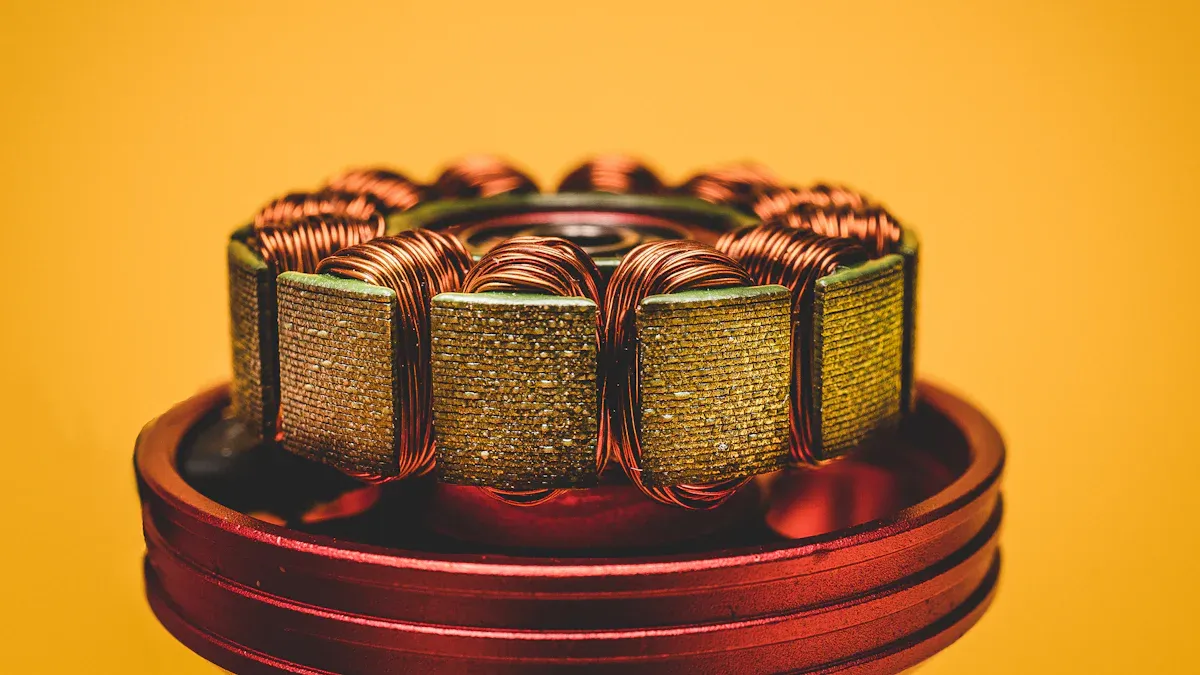
Coil deformation means the coil changes shape during or after winding. Even small changes in the coil’s shape can make the product worse. Deformation puts stress inside the coil. This stress can make the coil weaker and cause it to break sooner. If you ignore these problems, cracks may form. The coil might not last as long. The insulation could get damaged. Doing stress relief steps makes the coil stronger and helps it last longer.
Types of Deformation
Radial
Radial deformation changes how round the coil is. You might see bulges or dips. These happen when forces push out or pull in from the center.
Main risks are:
The coil is not round anymore
Bulges or bends in some spots
The coil looks uneven
Axial
Axial deformation happens up and down the coil. You might see the coil layers move or bend.
Main risks are:
Coil layers move up or down
Insulating spacers get squeezed
The coil gets weaker and insulation might break
Causes of Deformation
Material Properties
How bendy or hard the material is matters a lot. Bendy materials can take more force before breaking. They spread out the stress. Hard materials do not wear out fast but can snap if too stiff. You need both bendiness and hardness to stop coil deformation.
Other things that matter:
The base plate is not the same thickness everywhere
If the material is weak, it bends too much
Environmental Factors
Where you keep and use coils is important. Store coils in a cool, dry, and steady place.
Main risks are:
Water causes rust and weakens bands
Temperature changes make water appear and add stress
Too much heat makes steel soft and heavy coils can change shape
Early Signs
Visual Checks
Look at coils often to find problems early. Watch for:
Thick rust on the surface
Cracks, scratches, or folds
Uneven edges or bad alignment
The coil curves when unrolled
Thickness is not the same everywhere
Measurement Tools
Use special tools to find problems before the coil fails. Good tools are:
ibaDatawyzer-ICC: Finds size changes by itself
TD1 through-beam edge sensor: Checks coil size very accurately
Other ways:
Ultrasonic testing finds cracks inside
Eddy current testing finds surface problems
Digital image systems check for problems with cameras
Tip: Use both looking and measuring to find problems soon. Finding issues early keeps coils in good shape and quality high.
2. Wire Tension Control to Prevent Coil Deformation
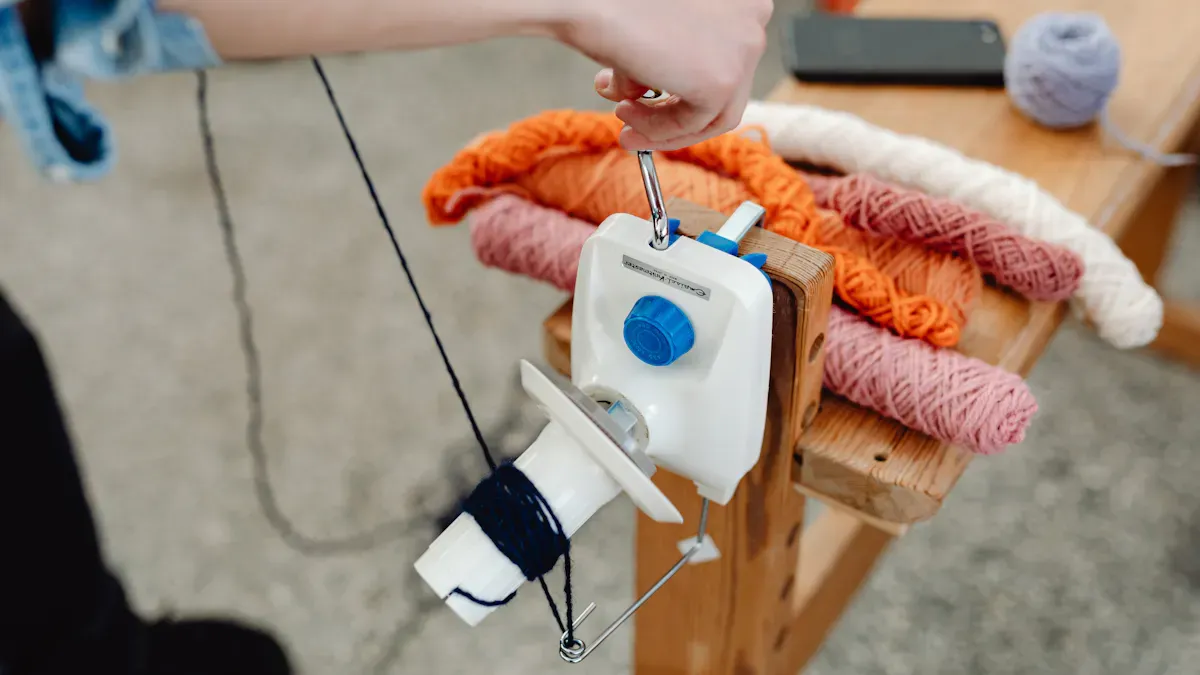
Wire tension control is the most important step to stop coil deformation. You must set the right tension and watch it closely. Avoid mistakes that can cause problems. This section shows you the best ways to control tension. You can use manual or automated systems.
Setting Tension Parameters
Manual Adjustment
Set wire tension carefully when using manual controls. Many people make mistakes. They set tension too high or too low. Sometimes, they forget to use the "soft start" function when changing rolls. These mistakes can cause loose winding or crush the inner layer. Film can break if tension is wrong. To stop coil deformation, use this formula:
Tension (N) = Material Width (m) × Set Coefficient (N/m)
Check the table below for the best tension range for common materials:
Lower tension by 3%-5% for every 10cm increase in roll diameter. Always check roll diameter readings. Use the correct taper coefficient.
Automated Systems
Automated tension systems are more accurate than manual ones. They make fewer mistakes. You can pick open-loop or closed-loop systems. Closed-loop systems measure tension all the time. They adjust by themselves. This stops coil deformation and keeps your process steady.
Monitoring Tension
Real-Time Feedback
Use tension sensors and real-time monitoring systems. These tools help you find problems fast. You can spot sagging, bunching, or breaking right away. Real-time feedback lets you fix issues instantly. This keeps the coil flat and even. Good tension stops defects like wrinkles, scratches, and wavy edges.
Calibration
Calibrate your tension tools often. Follow the schedule from the manufacturer. Always calibrate before and after big projects. If your tools get bumped or moved, check calibration again. Monthly or quarterly checks are best for important measurements.
Avoiding Loose or Over-Tight Coils
Common Mistakes
Many people guess tension or use the same settings for all wires. This can cause loose winding or coil breaks. Not watching floating rollers or not balancing tension also causes problems.
Best Practices
Set clear tension rules for each wire type and size.
Use wire guides to keep winding even.
Train workers to spot and fix tension problems.
Keep wires clean and lubricated to lower friction.
Check and adjust tension often during winding.
Tip: Work with a trusted Winding Machine maker to get advanced tension control systems. These systems help you stop coil deformation and make coils better.
If you follow these steps, you will stop coil deformation. Your coils will stay strong and reliable.
3. Layer Transitions and Insulation
You need to watch layer transitions and insulation closely to stop coil deformation. Every step in winding changes the coil’s shape and strength. Try these simple ways to keep your coils strong and working well.
Layer Transition Techniques
Stepwise Positioning
Put the wire in a set groove or slot at the start of each new layer. This lets the wire sit in the right place without pushing too hard.
Use a coil body with grooves already made. These grooves help guide the wire and keep it straight.
Move the wire guiding nozzle to the best spot. The right space between the nozzle and coil helps the wire go where it should.
Start winding slowly and carefully. Pushing the wire into place at first keeps all layers lined up.
Tip: Good stepwise positioning means you do not need to fix things all the time. It also stops bulges or gaps from forming.
Guides & Spacers
Put in wire guides to help the wire go onto the coil smoothly.
Use spacers between layers to keep the coil shape even.
Pick guides that fit the wire size and insulation type.
Look at guides and spacers for damage before each job.
Insulation Methods
Proper Insulation Materials
Pick insulation that fits what your coil needs. The right insulation keeps out heat and stops damage from force. Here is a quick chart:
Application Techniques
Wrap insulation around each layer so it is even.
Do not pull or wrinkle the insulation.
Make insulation edges overlap a little to cover everything.
Press insulation softly to push out air bubbles.
Note: Putting on insulation the same way every time helps stop coil deformation and makes coils last longer.
Prevent Coil Deformation During Layering
Avoiding Overlaps
Start wires in different spots for each layer to stop thick areas.
Use guides to keep wires from crossing or bunching up.
Check each layer before you start the next one.
Maintaining Uniform Geometry
Look at the coil shape after every layer.
Change tension and guides if you see uneven places.
Use tools to check if the layer is the right thickness.
You can stop coil deformation by doing these steps. Work with your Winding Machine maker to pick the best guides, spacers, and insulation for your work. Doing things the same way and using good materials keeps your coils in great shape.
4. Taping, Pressurizing, and Equipment Settings
Line-Taping to Prevent Coil Deformation
Taping Machine Use
A taping machine wraps coils tight and even. It keeps tension steady and speed the same. This stops bumps and gaps from forming. You can change taping speed and overlap for each coil. Many brands have machines with digital controls. These controls let you use the same settings every time. Check the taping head for damage before you start. Clean rollers and guides so tape does not get stuck.
Tape Selection
Pick tape that fits your coil. The tape must match insulation class and coil temperature. Some tapes work well in heat. Others stop chemicals or water. Use this table to compare tape types:
Ask your Winding Machine maker if you do not know which tape to use.
Pressurizing Methods
Handling Soft Materials
Soft materials need gentle tools. Use soft pads or rollers to press coils. Hard tools can crush or bend the coil. Always check pressure before you start. If you see dents, lower the pressure right away.
Pressure Adjustment
Change pressure for each coil type. Start low and go up slowly. Watch the coil as you press it. If the coil bends, stop and reset pressure. Many machines let you set pressure with digital controls. This helps you Prevent Coil Deformation and keeps your process safe.
Tip: Write down the best pressure for each coil type. This saves time and stops mistakes next time.
Equipment Calibration
Setup Procedures
Set up winding equipment right before each job. Line up the taping head, guides, and rollers. Make sure sensors and tensioners work. Follow steps in your machine’s manual. If you use new tape or coil size, run a short test first.
Maintenance
Calibrate and align machines often to keep coil quality good. Follow the maker’s advice for how often to calibrate. Check machines before each use to make sure they work well. Clean and oil moving parts often. Replace broken parts as soon as you see problems. A trusted Winding Machine maker will give you a maintenance plan and help.
Note: Good maintenance and calibration make machines last longer and keep coils in great shape.
5. Quality Assurance & Troubleshooting
Scheduled Inspections
Inspection Protocols
You need a clear plan to check your coils. Use both manual and machine checks to find coil deformation. The table below lists tools and what they do:
Always follow these steps to find problems early and keep your work steady.
Timely Replacements
Change old parts and tools before they break. Here are some good tips:
Check your coiling machines often.
Fix setup problems or broken parts right away.
Change worn parts before they cause big trouble.
Check machines more if they run a lot or you do not know their history.
Replace damaged parts as soon as you see them.
Fixing things early stops long delays and keeps coils strong.
Troubleshooting Deformation
Root Cause Analysis
If you see coil deformation, find out why it happened. Try these steps:
Look at your rolling settings. Check how much the coil changed, the heat, and cooling speed.
Make sure the coil surface is clean and smooth.
See if you used enough oil and cooled the coil right.
Check how you moved and stored the coils.
Watch process settings with feedback tools.
This way, you can find the real problem and fix it fast.
Corrective Actions
After you know the cause, take these steps:
Change rolling settings to lower stress.
Clean and get coil surfaces ready before winding.
Use more oil and control cooling to stop friction.
Move coils gently and store them the right way.
If you find problems before shipping, fix the surface, use heat, or roll the coil again.
These actions help you Prevent Coil Deformation and keep your products great.
Continuous Improvement
Feedback Loops
Set up feedback loops to learn from each batch. Collect inspection data and use it to make things better. Share results with your team and your Winding Machine maker to find new ideas.
Training
Teach your workers to spot early signs of coil deformation. Show them how to use inspection tools and follow the rules. Training often keeps your team smart and your coils in good shape.
Tip: Quality checks are not just one time. Make them part of your daily work to keep coils strong and customers happy.
You can stop Coil Deformation by using five main steps. These are tension control, good insulation, careful taping, equipment checks, and regular inspections. These steps help make coils better in ways you can measure:
To keep coils strong, do these things next: Clean metal parts well. Use systems to watch data. Make process settings better. Train workers often. Check and set up equipment. Do maintenance before problems happen.
Keep checking and improving your process to get good coil quality every time.
FAQ
1. What causes coil deformation during winding?
Coil deformation can happen if tension is not set right. Using the wrong insulation or taping can also cause problems. A good Winding Machine manufacturer gives better tools and help to stop these issues.
2. How often should you inspect coils for deformation?
Check coils after every winding job to find problems early. Your Winding Machine manufacturer can tell you the best times to inspect for your work.
3. What tools help detect coil deformation early?
You can look at coils, use dial gauges, or try laser scanners. Many Winding Machine manufacturers have special tools that find problems fast and accurately.
4. Why is wire tension so important?
Wire tension helps the coil stay strong and even. If tension is wrong, coils can get loose or crushed. A trusted Winding Machine manufacturer gives you systems to control tension well.
5. How do you choose the right insulation material?
Pick insulation that matches what your coil needs. Ask your Winding Machine manufacturer which materials work for your coil’s heat and strength.
6. What is the best way to prevent taping errors?
Use a taping machine with digital controls to avoid mistakes. Always check the taping head before starting. A good Winding Machine manufacturer can help you pick the best taping machine.
7. How does regular maintenance help coil quality?
Doing regular maintenance keeps machines working well. This stops breakdowns and coil problems. Your Winding Machine manufacturer can give you a plan and help with maintenance.
8. Can a Winding Machine manufacturer help with training?
Yes! Many Winding Machine manufacturers teach your team how to spot coil deformation. They show you how to use inspection tools the right way.