


Automatic vs Semi-Automatic Coil Winding Machine: Which Is Better?
2026-05-05 16:17If you need fast and accurate work, a fully automatic Coil Winding Machine can make up to 12,000 coils in one shift. It keeps the tension very steady at ±0.02 N. Semi-automatic machines make 4,500 coils per shift. They help save money.
Automatic machines are good for making lots of coils and need high accuracy.
Semi-automatic machines are better for smaller jobs and lower budgets.
Key Takeaways
Automatic coil winding machines can make up to 12,000 coils in one shift. This makes them great for making lots of coils fast.
Semi-automatic machines cost less money. They are priced between $18,000 and $30,000. This makes them good for smaller jobs.
Automatic machines need less help from people. Workers can do other things while the machine runs. Semi-automatic machines need more help from workers.
Flexibility matters a lot. Semi-automatic machines let you change settings by hand. This is better for making custom coil designs.
Automatic machines keep the tension and quality the same. This helps stop mistakes and waste when making coils.
Think about the first cost and the work needed later. Automatic machines save money on workers but use more energy.
Training is easier for automatic machines. New workers can learn to use them fast.
Pick the machine that fits your needs. Automatic machines are best for big factories. Semi-automatic machines are good for small businesses that need custom coils.
1. Coil Winding Machine Features
Automation Level
Human Involvement
There is a big difference in how much you need to help each Coil Winding Machine. Automatic machines do most of the work by themselves. You just set up the machine, and it finishes the job. Semi-automatic machines need you to watch and change settings while they run. You might have to put in materials, start the machine, and check the coils when done. This way gives you more control, but you have to pay more attention.
Tip: If you want to spend less on workers and let your team do other jobs, automatic machines are a good choice.
Control Systems
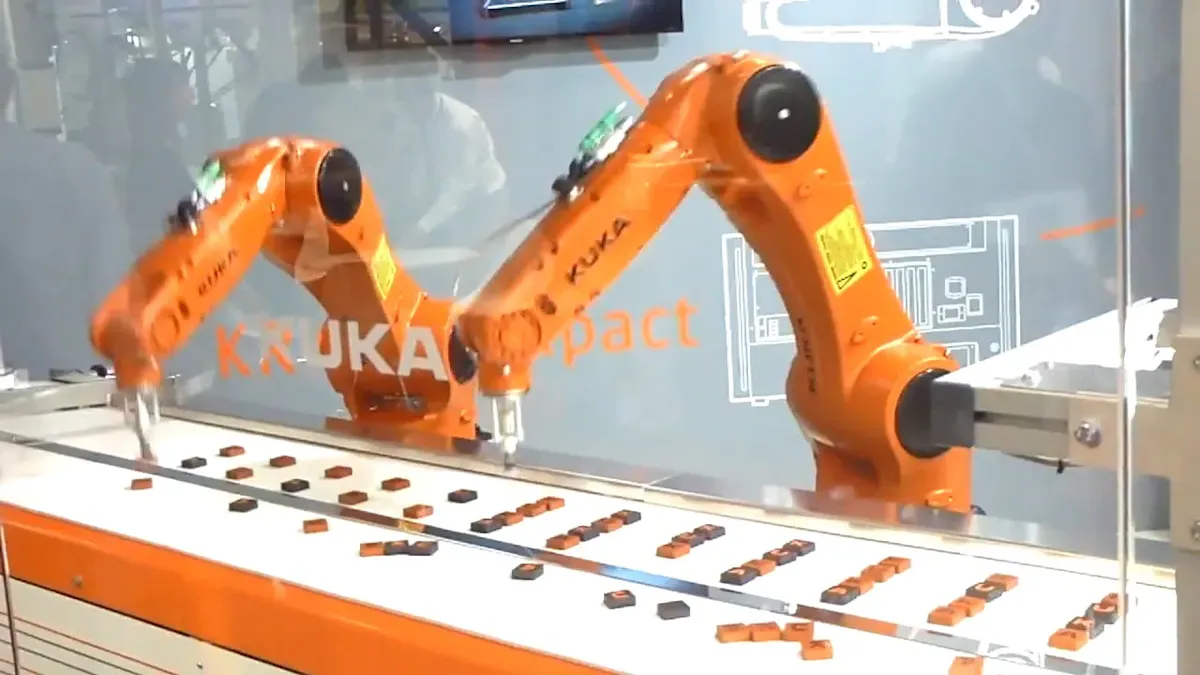
Automatic machines use special controllers, robotic arms, and air-powered parts. These tools help the machine do many jobs and keep things very accurate. Semi-automatic machines usually use CNC controllers. Some have their own special control systems, so you can change settings for different coils. Fixing automatic machines can be hard because they have custom parts. Semi-automatic machines are easier to fix, with common parts and faster repairs.
If you work with an automatic coil winding machine manufacturer, you can pick from many models with different automation and control systems. Makers often give special choices for what you need to make.
Flexibility
Coil Types
You might need to make different kinds and sizes of coils. It is important to be able to switch between products. Automatic machines let you change settings for how the wire is wound and how tight it is. This helps you meet different needs. Semi-automatic machines give you both machine help and manual control. You can change things for each group of coils, which is good for small and medium jobs.
Automatic machines can make many types of coils with special settings.
Semi-automatic machines let you step in and change things for special coil shapes.
Adjustments
You can change settings easily on both machines. With automatic machines, you set everything before you start. The machine does the rest without you helping. Semi-automatic machines let you make changes while the machine is working. This mix of machine and manual work helps you work faster and keep quality, especially for medium jobs.
Note: If you need to change coil types a lot, semi-automatic machines let you make more changes by hand.
You should think about what you need to make and what kinds of coils you want to build. Both automatic and semi-automatic Coil Winding Machines have special benefits for flexibility and control.
2. Speed and Accuracy
Production Rate
Output Speed
You want your work to go fast. Automatic machines make coils quickly. They finish thousands of coils in one shift. Semi-automatic machines need more help from people. This slows things down. You must change settings and check the coils often.
Tip: Automatic machines are best for big jobs and tight deadlines.
Consistency
Making coils the same every time is important. Automatic machines keep tension steady. They make coils that look alike. Semi-automatic machines depend on how skilled the operator is. This can cause small differences between coils. You may see more changes in semi-automatic production.
Winding Precision
Error Reduction
Automatic machines use smart technology to stop mistakes. They have CNC controls and watch the process in real time. They find problems and fix them fast. This keeps quality high. Semi-automatic machines need people to guide them. This means mistakes can happen more often.
Quality Control
Automatic machines check quality as they work. They use systems to watch wire placement and test electrical parts. They check insulation and size. The machine gets feedback and can fix itself right away. Traceability systems save details for checking later.
Automatic machines use cameras and tools to check quality.
They test wire placement and electrical connections.
Feedback helps the machine fix problems fast.
Traceability systems record everything for quality checks.
Semi-automatic machines wind coils but you must check quality yourself.
Semi-automatic machines cost less but do not have full automatic checks.
Automatic machines use software and precise parts for accuracy.
Semi-automatic machines depend on your skill for quality.
Automatic machines have sensors and real-time checks for quality.
Semi-automatic machines need manual checks and fixes.
Studies show automatic machines are faster and more precise. They use computers and set winding patterns. This lowers mistakes and keeps coil quality steady. Semi-automatic machines give you more control and are good for custom jobs. They do not match automatic machines for precision.
If you buy from an automatic coil winding machine maker, you get machines with smart error reduction and quality checks. This helps you keep high quality and waste less.
3. Cost and Labor
When you look at automatic and semi-automatic machines, cost and labor are important. You need to think about how much you pay at first and what you keep paying later.
Initial Investment
Purchase Price
There are many prices for Coil Winding Machines. Automatic machines cost more because they have better technology and work faster. Semi-automatic machines are cheaper and give you some automation.
If you have a small shop or want more choices, semi-automatic machines help you start without spending a lot. Automatic machines are best for big factories that need to make lots of coils and want high quality.
Note: You can talk to an automatic coil winding machine maker about special models and ways to pay. Many companies let you pay over time so you do not spend all your money at once.
Financing
You might need help to buy expensive machines. Makers often let you lease or pay in parts. This makes it easier to pay and keeps your money safe. Semi-automatic machines are cheaper, so you do not need as much help to buy them.
Operating Costs
Labor Needs
Automatic machines help you save money on workers. You need fewer people, and they do not need to be experts. Semi-automatic machines need more workers and people who know how to use the machine well.
Automatic machines let your team do other jobs.
Semi-automatic machines need workers to watch and fix things.
Energy Use
Automatic machines use more power because they work faster and have more parts. You pay more for electricity, but you make more coils. Semi-automatic machines use less power, so they are good for small jobs.
Tip: If you want to spend less on power, semi-automatic machines are a good pick for small batches.
Summary List
Automatic machines cost more at first.
Semi-automatic machines are better for small budgets.
Automatic machines need fewer workers and less skill.
Semi-automatic machines need more people and more skill.
Automatic machines use more energy but make more coils.
Semi-automatic machines save power for small jobs.
Think about your money, your workers, and how many coils you want to make before you pick a machine. Automatic machines are good for big factories. Semi-automatic machines help small shops grow.
4. User Experience
Ease of Use
Training
You want a machine that is simple to use. Automatic machines are easier to learn. You just set them up, and they work by themselves. Semi-automatic machines need you to learn how to make changes by hand. You spend more time teaching your team. If your shop is busy, automatic machines help new workers start fast.
Tip: If you want your team to do other jobs, automatic machines save training time.
Interface
You use the machine with its controls. Automatic machines have easy touchscreen panels. You can pick speed, wire size, and turns with a few taps. The machine feeds and cuts the wire by itself. Semi-automatic machines have simple buttons and knobs. You change settings by hand and watch the work.
Touchscreen makes programming easy
Automatic wire feeder helps the work go smoothly
Automatic cutter gives the right wire length
Automatic machines let you set up faster. Semi-automatic machines give you more control with your hands.
Safety
Error Risk
Safety is important in every shop. Automatic machines lower the chance of mistakes. The machine does most jobs, so you make fewer errors. Semi-automatic machines need you to look for problems. You must check the work and fix things if something goes wrong.
Note: Automatic machines have covers and stop buttons for safety. Semi-automatic machines need you to follow rules and wear safety gear.
Safety Features
Both machines have safety parts built in. Automatic machines use sensors and covers to protect you. Stop buttons can turn off the machine fast. Semi-automatic machines need you to pay attention. You should wear gloves and keep your clothes safe. Both machines need you to follow safety rules.
Covers help stop accidents
Stop buttons let you react fast
Safety locks keep blades from moving
If you buy from an automatic coil winding machine maker, you can ask for more safety parts. This keeps your team safe and helps work go well.
Pick a Coil Winding Machine that matches your skills and safety needs. Automatic machines make work simple and safe. Semi-automatic machines help you learn and give you more control.
5. Application Suitability
High-Volume Production
Automatic Machine Benefits
If you need to make lots of coils, automatic machines are a great choice. These machines work very fast and are very accurate. They can spin between 4000 and 6000 RPM. This means you finish your work much quicker. You do not need to do as much by hand. The machine does most of the job for you. This helps stop mistakes and saves time. You get better results every time.
Automatic machines do all the coil winding for you.
Every coil is made the same way with high accuracy.
Good winding means you waste less wire and fix fewer mistakes.
You spend less money making coils and earn more profit.
If your factory needs to make many coils, automatic machines are a smart pick. You can talk to an automatic coil winding machine maker to find the right model for your work.
Custom and Small Batch
Semi-Automatic Advantages
If you make special orders or only a few coils at a time, semi-automatic machines are helpful. These machines let you change settings for each job. You can stop and adjust things while the machine is working. This is good if you need to make different kinds of coils often.
You pay less money when you buy the machine.
You can control how each coil is made for special shapes.
You can change things quickly for new projects.
You use less power when making small amounts.
Semi-automatic machines help you make custom coils and test new ideas. You can watch the work and keep the quality high.
Industry Examples
Automatic machines are used in places where speed and accuracy are very important. These machines use CNC controls to move parts together at the same time. This helps make coils that are just right and meet big goals. Factories that make electronics, transformers, and car parts use automatic machines.
Semi-automatic machines are used where you need to make special coils. You see them in electronics, medical tools, cars, and green energy. These jobs need machines that can change for different coil designs.
Pick your Coil Winding Machine based on how many coils you need and if you need special shapes. The right machine helps your business do its best.
You should pick a Coil Winding Machine that fits your goals and money. Think about how hard your coils are to make.
Automatic machines work well for big factories and save on workers.
Semi-automatic machines are good for small shops and many changes.
Look at what you need, the coil details, and your team’s skills before picking.
Ask a coil winding machine maker for help if you are not sure.
FAQ
1. What is the main difference between automatic and semi-automatic coil winding machines?
Automatic machines do most of the work alone after you set them up. Semi-automatic machines need you to help and watch them while they run. You get more control with semi-automatic machines, but automatic machines save you time and work.
2. Which machine is better for small businesses?
Semi-automatic machines are good for small businesses. They cost less money and let you do custom jobs. You can change settings easily for different coils.
3. How much training do operators need?
You do not need much training for automatic machines. The touchscreen makes it easy to set up. Semi-automatic machines need more training because you must change settings and watch the process.
4. Can I use both machines for different coil types?
Both machines can make many kinds of coils. Automatic machines let you set programs for each coil. Semi-automatic machines let you change things by hand for special shapes and sizes.
5. How do I choose the right machine for my factory?
Think about how many coils you need, your budget, and what kind of coils you make. If you need to make a lot, pick automatic machines. For special or small jobs, semi-automatic machines are better. You can ask a machine maker for help.
6. Are automatic machines safer than semi-automatic machines?
Automatic machines have safety covers and stop buttons. You are safer because the machine does most jobs. With semi-automatic machines, you must follow safety rules and wear safety gear.
7. What are the ongoing costs for each machine?
Automatic machines use more power but need fewer workers. Semi-automatic machines cost less to run but need more people. You should look at energy use and how many workers you need before you choose.
8. Can I upgrade from semi-automatic to automatic machines later?
You can upgrade when your business gets bigger. Many makers let you pay over time or trade in old machines. You can start with semi-automatic and switch to automatic when you need to make more coils.