


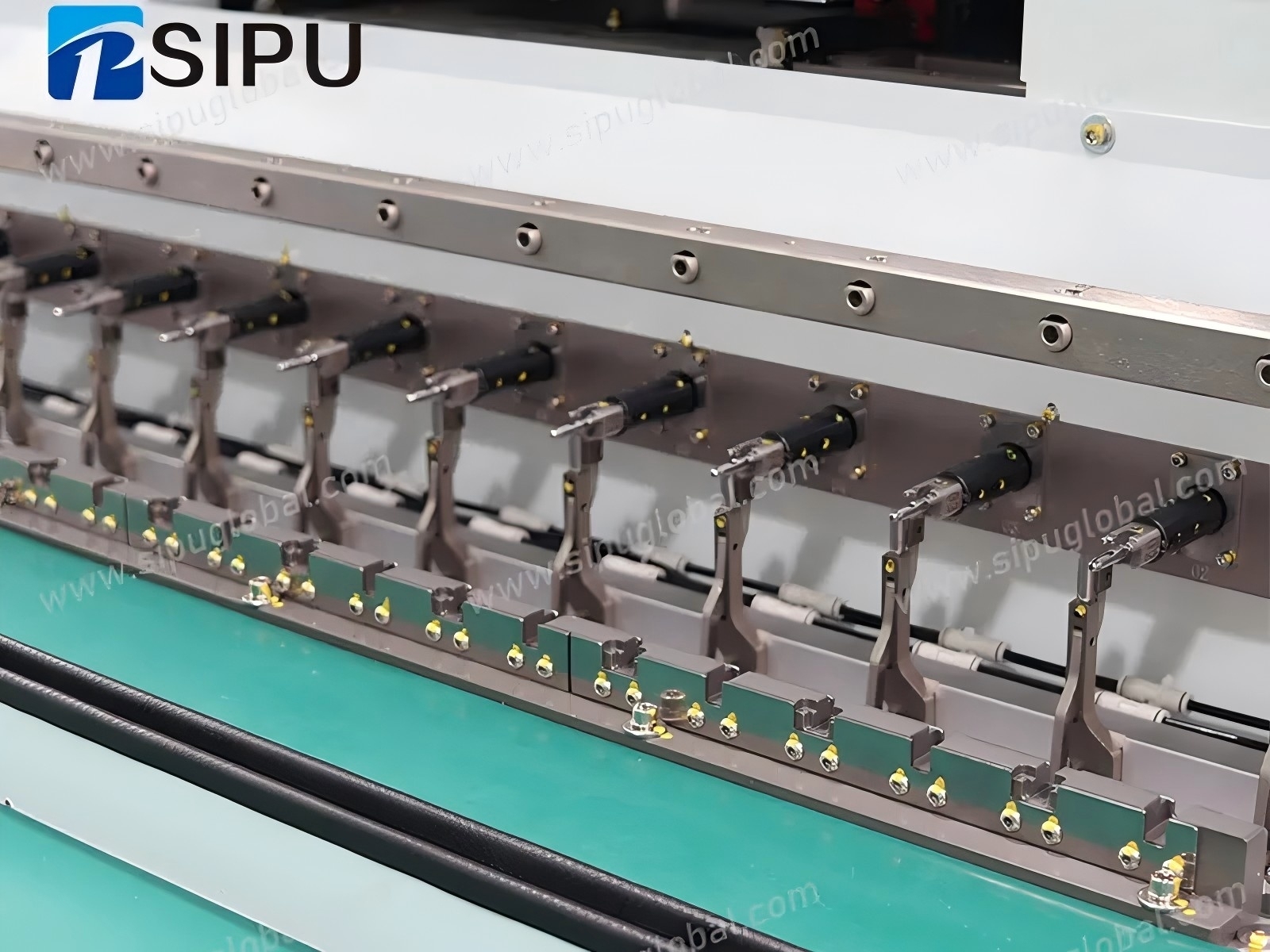
Coil winding and assembly solutions
2026-06-02 14:07You use coil winding and assembly solutions to make exact electromagnetic coils for important devices like motors and transformers.
These solutions affect things like inductance, insulation strength, and magnetic field strength. Machines that work by themselves give you the same and correct results every time. This is very important for products that need to work really well.
The world market for these solutions gets bigger each year. Look at the table below to see new trends:
New technology and special ways for each industry help you lower copper losses, make electromagnetic compatibility better, and keep heat under control. You make sure your product is good and lasts longer by picking the best process.
Key Takeaways
Coil winding is important for making electromagnetic coils. These coils are used in motors and transformers. It helps them work well and last longer.
Automation in coil winding makes the process faster. It also keeps the quality the same for many coils.
You must pick the right coil winding system. It can be manual, semi-automatic, or fully automatic. Your choice depends on how many coils you need and what you want.
Advanced winding methods, like layer and toroidal winding, make coils work better. These methods fit different jobs.
Using good materials, like copper or aluminum wire, is very important. Proper insulation also helps coils last longer and work well.
Quality control checks during winding and assembly are needed. They stop defects and make sure the product works right.
Buying modern coil winding machines can save money over time. It lowers labor costs, cuts waste, and speeds up production.
Knowing what your industry needs helps you choose the best coil winding solutions. This gives you the best results.
1. Coil Winding Solutions Overview
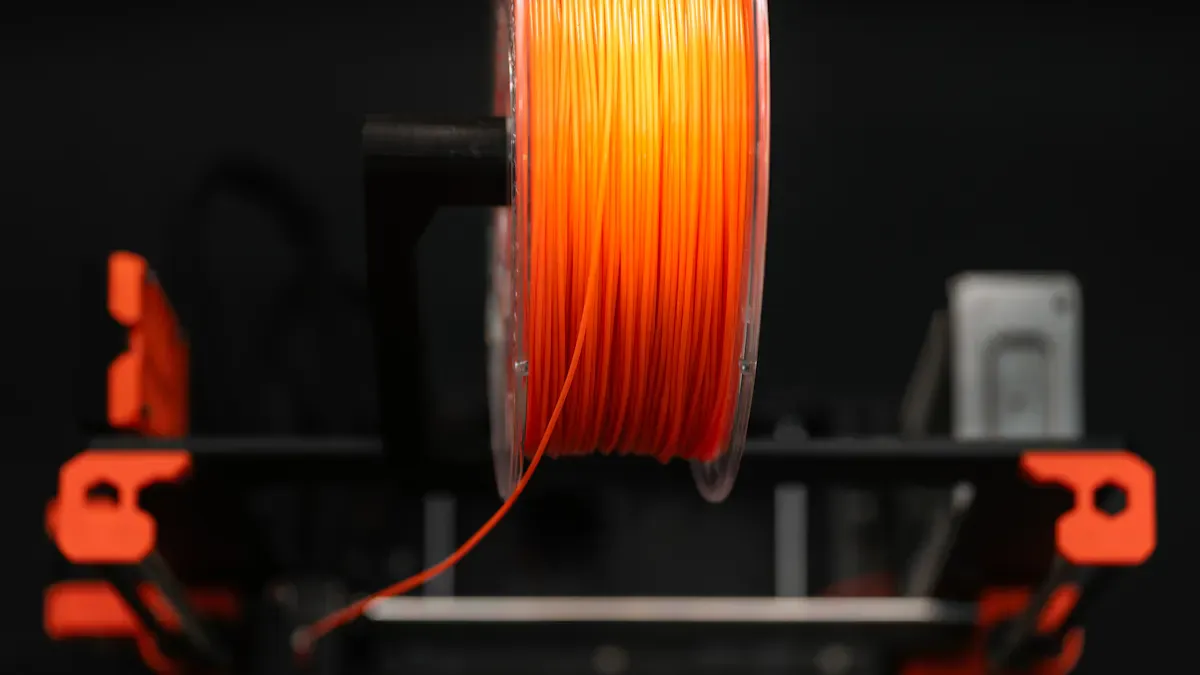
What Is Coil Winding
You make electromagnetic coils by wrapping wire around a core. This is called coil winding. These coils are very important for many electrical devices. You must follow certain steps to make sure each coil is good quality.
Wire Setup: Put the wire spool in the holder. Set the right tension.
Core Placement: Place the bobbin or core on the mandrel.
Initialization: Choose how many turns and the pitch.
Winding: Turn the mandrel and guide the wire across the core.
Termination: Cut the wire and attach it to the terminals.
Finishing: Do extra steps like taping or testing.
Tip: Always check the tension and alignment while winding. This helps you stop mistakes and keeps the coil working well.
The main parts you use for coil winding are:
Spool holder that holds the wire
Wire guide system that puts the wire in the right place
Bobbin or mandrel holder for support
Traverse mechanism that moves side to side
Drive system that spins the mandrel
Control unit that manages speed, tension, and patterns
Assembly Process Basics
You put together electromagnetic coils by doing careful steps. First, you wind the coil by wrapping copper wire around a bobbin. Then, you add the core and contacts to the coil. You must line up these parts so the device works right. Many times, you finish with mold encapsulation. This step keeps the coil safe from water and damage.
You need to watch every step during assembly. Even small mistakes can hurt how the product works. You should test each coil after you finish to make sure it is correct.
Applications in Industry
You use coil winding and assembly solutions in many fields. Here are some common uses:
Electric Motor Manufacturing: You need good coils for stator windings, rotor coils, armature windings, and field coils.
Power Generation and Distribution: You use special coils for generator windings, transformer coils, switchgear parts, and reactor coils.
Automotive Industry: You need exact coils for traction motors, alternators, ignition systems, and sensors. Good coils help electric vehicles and other car systems work better.
Electronics Manufacturing: You need strong coils for transformers, inductors, and other parts.
Medical Devices: You use coils for machines like MRI scanners. Here, you need the best precision and safety for patients.
Note: In the automotive and medical fields, you must use advanced machines. These machines help you get the same and correct results for important uses.
2. Types of Coil Winding Systems
When you pick a coil winding system, you must think about what you need to make. Each system has its own good points and problems. Here is a simple look at the main types:
Manual Winding
Manual winding lets you control the process by hand. You use your hands or a hand-crank machine to wrap the wire around the core. This way works best for small amounts or special coils.
You can change the speed and tension as you go.
Skilled workers can make special or test coils.
Manual systems can have uneven quality because people make mistakes.
You might see changes in coil shape and where the wire goes.
Tip: Pick manual winding if you only need a few coils or want to make special shapes.
Semi-Automatic Winding
Semi-automatic winding mixes your work with help from a machine. You set up the machine, and it does things like keep the wire tight and count turns. You still need to put in and take out parts, but the machine helps with winding.
These systems give you both control and steady results.
You can do different coil jobs with one machine.
Semi-automatic systems are good for medium-sized groups or when you need to switch tasks.
Here is a quick look at what is good and not so good:
Note: Use semi-automatic winding if you want more control than automatic, but better results than manual.
Fully Automatic Winding
Fully automatic winding uses advanced coil winding technology for fast and exact work. You set what you want, and the machine does everything else. These systems are best for making lots of coils.
Machines can go very fast, from 4000 to 6000 RPM.
You do not need to do much while it runs.
Automatic systems change speed and tension for each coil.
You can make many coils fast and all will be the same.
You spend less on workers and can run the machines for a long time.
Callout: Pick fully automatic winding if you need to make many coils, like in big factories.
Which System Should You Choose?
Use manual winding for special jobs or small amounts.
Pick semi-automatic winding for medium jobs or if you need to change tasks.
Choose fully automatic winding for big jobs that need many coils.
If you pick the right system, you can make better coils, save time, and spend less money.
3. Coil Winding Technologies
You can make your manufacturing better with advanced coil winding technologies. These methods help you build coils that work well and last longer.
Winding Techniques
Layer Winding
You use layer winding when you want high inductance but not a big coil.
This technique is good for devices with little space.
You get neat layers of wire, which helps the coil work well.
Random Winding
You use random winding for coils that do not need perfect layers.
This method is faster and works for jobs that are not too hard.
The coil shape may change more, but it costs less.
Toroidal Winding
You use toroidal winding to make small coils with a closed core.
This design keeps the magnetic field inside the coil, so it works better.
You need to watch for uneven wire placement, which can cause hot spots and affect coil performance.
Tip: Choose the winding technique that fits your product’s needs. Layer winding gives you high performance, and toroidal winding is good for small spaces.
Materials Used
Wire Types
Copper wire is great for carrying electricity and is flexible.
Aluminum wire is light and works well for jobs with lots of current.
Silver wire carries electricity best and is used for special jobs.
Gold wire does not rust and is used in products that must be reliable.
Niobium titanium wire is used in MRI machines because it works well in very cold places.
Insulation
You use enamel coatings for most coils. These can handle heat up to 200°C.
For jobs with lots of heat, you use aramid-based materials like Nomex.
Insulation stops wires from touching and causing shorts.
Note: Always check the wire thickness and insulation type. Thick wires carry more current, and good insulation keeps coils safe.
Assembly Methods
Soldering
Soldering makes strong connections for your coils.
You can fix or change parts easily.
Soldered joints handle lots of current and voltage.
Encapsulation
Encapsulation keeps coils safe from water, dust, and shaking.
This method helps coils last longer, even in tough places.
You get better heat protection, so coils can handle more heat.
How Modern Machines Improve Your Process
You use tensioners to keep wire tight, which is important for good coils.
Programmable logic controllers let you set turns and speed.
CNC systems give you exact control over each step.
Automatic speed and tension controls help you make coils that are always the same.
Real-time monitoring systems find problems early, so you waste less material.
You can make your products better and save time by picking the right coil winding technology. Modern machines help you build coils faster and waste less material.
4. Benefits of Modern Solutions
Efficiency Gains
Modern coil winding solutions help you make more products faster. Automation makes the winding process quick. You can finish jobs sooner and make more coils. One machine can work with many wire types and coil shapes. You do not need a different machine for each job. This saves you money. Using less wire and wasting fewer materials also lowers your costs. New coil winding technology lets you do more work in less time. You also make fewer mistakes.
Automation helps you finish winding jobs fast.
Machines make coils that match the needed design.
One system can handle many coil types.
You waste less and save on materials.
Tip: Automated coil winding helps you finish work on time and make more coils without losing quality.
Precision and Quality
Advanced coil winding technology helps you get better quality and accuracy. Machines put wires in the right place with the right tension. This makes coils work better and last longer. When wires are placed the same way each time, there are fewer hot spots and less stress. Good insulation lowers the chance of coil failure. Automated systems also cut down on mistakes people might make.
Note: Using precise coil winding helps you keep your good name and have fewer warranty problems.
Scalability
Scalable coil winding solutions help your business grow. Modern machines use CNC and PLCs to work faster and more accurately. Automated systems make your production better. They give you steady results and speed that hand work cannot match. You can make more coils as you get more orders, without buying new machines.
Scalable coil winding helps you work faster and more accurately.
New ideas focus on speed, accuracy, and less waste.
Automated systems help you fill orders quickly and keep quality high.
Advanced technology lets you grow and meet new needs.
Callout: You can keep up with others in your field by using coil winding technology that grows with your business.
Cost Optimization
When you use modern coil winding technology, you find new ways to save money. Here’s how advanced coil winding and assembly solutions help you spend less:
Lower Labor Costs
Automated coil winding technology does many jobs by itself. Machines do the same tasks again and again. You need fewer workers on the floor. Skilled workers can do more important jobs. This change saves money and makes workers happier.Faster Production Speeds
Automated systems work fast and do not stop for breaks. You can run coil winding machines all day and night. This means you make more coils in less time. Making more coils lowers the cost for each one.Less Material Waste
Coil winding technology uses wire and insulation with care. Machines place wires in the right spot. This stops mistakes and saves materials. Less waste means you spend less on supplies.Reduced Workplace Injuries
Automation keeps workers safe from dangerous jobs. Fewer injuries mean you pay less for health care and insurance. A safer workplace helps production stay steady.Optimized Resource Utilization
Modern coil winding technology uses machines, materials, and energy well. You can check how things work in real time. You change settings to fit your needs. This helps you react fast to new orders without spending too much.
💡 Tip: Automated coil winding and assembly systems help you save a lot of money. These systems make work faster, lower labor costs, and let machines run all the time. You use resources better and make your factory work well.
Long-Term Savings
Buying advanced coil winding technology costs more at first. Over time, you get your money back with less labor, less waste, and more work done. Your factory becomes stronger and makes more money.Better Budget Planning
Automated systems give you steady results. You can plan your budget because you know how much you will make and use. This helps you avoid surprise costs.
By picking the right coil winding technology, you make your factory work better and spend less. You get ahead in your industry and help your business grow for a long time.
5. Challenges and Selection Guide
Quality Control
You can have many problems with quality control in coil winding and assembly. These problems can change how well your coils work and how long they last. You need to check for problems at every step. The table below lists the most common quality control problems, what they mean, and why they happen:
Tip: You can stop these problems by checking your work as you go and testing often. Always watch wire tension and alignment during winding.
Material Handling
You need to handle materials carefully to keep coil winding steady and the same each time. Good handling helps you avoid mistakes and keeps coils alike. Here are some important things to remember:
You keep coil quality the same by controlling materials.
You lower the chance of tension or alignment problems.
You make sure every coil meets your rules.
Note: Always use the right storage and tools for wires and cores. This keeps them safe and helps your work go smoothly.
System Integration
You must connect your coil winding machines to other systems in your factory. Good connections help you watch production, check quality, and share information. You might have trouble when adding new machines or programs. You need to see if your machines can talk to your factory’s network. You also need to teach your team how to use new systems.
You get better control and information when machines work together.
You can find and fix problems faster.
You save time by linking winding, testing, and packing steps.
Callout: Work with your IT and engineering teams when planning upgrades. This helps you avoid slowdowns and keeps your factory running.
Choosing the Right Solution
Picking the best coil winding technology takes careful thinking. You need to find a system that fits your needs. This guide can help you make a good choice.
Production Volume
First, check how many coils you want to make. The number of coils changes which coil winding technology is best for you.
Low Volume
Manual or semi-automatic coil winding technology is good for small jobs. You get more control and can change things easily.Medium Volume
Semi-automatic systems help you work faster and keep quality high. You can switch between coil types without waiting long.High Volume
Fully automatic coil winding technology makes the most coils. Machines with many spindles can cut time by up to 60% for HV coils. You finish lots of coils quickly.
💡 Tip: Always pick coil winding technology that matches how many coils you need. If your system is too big or too small, you waste time and money.
Budget Factors
Your budget decides what coil winding technology you can buy. Think about how much you pay now and how much you save later.
Manual Systems: These cost less at first, but you pay more for workers over time.
Semi-Automatic Systems: These cost a medium amount and are good if your business is growing.
Fully Automatic Systems: These cost more at the start, but you save money on workers and materials later.
You also need to think about training, fixing, and upgrading your machines. Automated coil winding technology can pay for itself because it works faster and wastes less.
Note: Buying advanced coil winding technology can help you spend less by making fewer mistakes and working better.
Technical Needs
Each project needs something special. You must pick coil winding technology that fits what your product needs.
Precision: If your coils need to be very exact, get systems with smart controls and real-time checks.
Adaptability: Pick technology that works with different wires, coil shapes, and insulation.
Quality Control: Choose a system that checks each coil to make sure it is good.
Integration: Make sure your coil winding technology can work with your other factory machines.
🚀 Callout: The right coil winding technology helps your business grow, saves money, and gives you great products. Always think about what you need before you choose.
You do well in manufacturing when you pick the right coil winding and assembly solutions. Think about what you need and look at new options to make more products and better quality. Talk to experts or check your process to get the best results. Here are some long-term benefits:
🛠️ Make smart choices to keep your products strong and help your business grow.
FAQ
What is coil winding technology?
Coil winding technology uses machines and special ways to wrap wire around a core. This makes electromagnetic coils for things like motors and transformers. The technology helps you get the same results every time.
Why should you use automated coil winding technology?
Automated coil winding technology helps you work faster and more accurately. It cuts down on mistakes and saves money on workers. You can make more coils in less time with automation.
How do you choose the right coil winding technology?
Think about how many coils you need, your budget, and what your project needs. Manual systems are good for small jobs. Semi-automatic systems work well for medium jobs. Fully automatic coil winding technology is best for making lots of coils.
What materials work best with coil winding technology?
You can use copper, aluminum, silver, gold, or niobium titanium wire. For insulation, pick enamel or Nomex. The best choice depends on what your product needs and the coil winding technology you use.
How does coil winding technology improve quality control?
Coil winding technology uses sensors and checks things as you work. This keeps the wire tight and in the right place. It helps you make fewer mistakes and meet high quality rules.
Can coil winding technology help you save money?
Yes. Automated coil winding technology lowers worker costs and saves materials. It also helps you make coils faster. You spend less fixing problems and get more coils from each batch.
What industries use coil winding technology?
Coil winding technology is used in cars, electronics, medical, power, and factories. These places need strong coils for motors, transformers, sensors, and medical machines.