

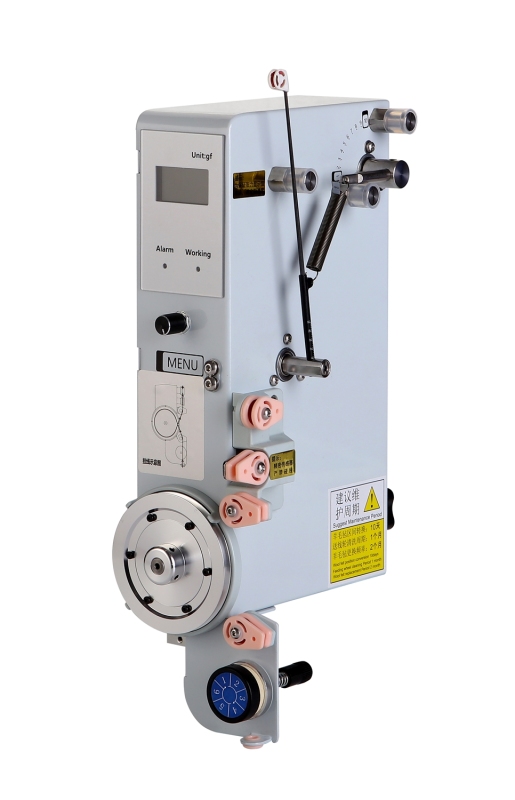
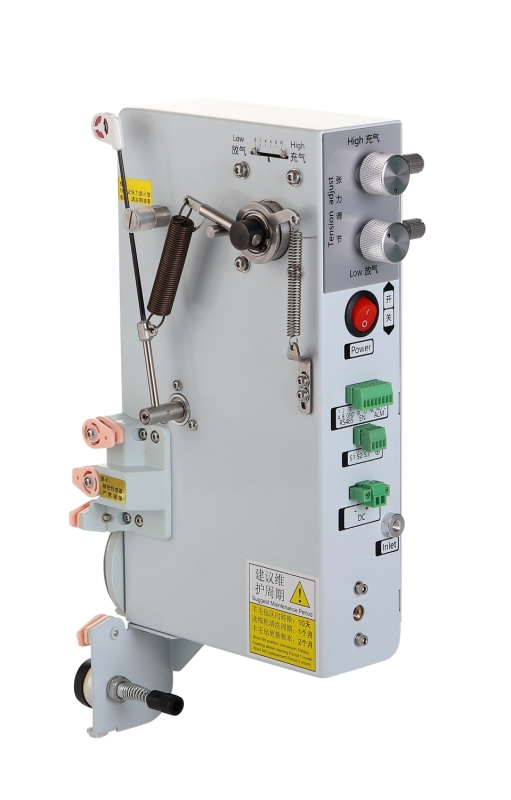

Servo Tensioner Series
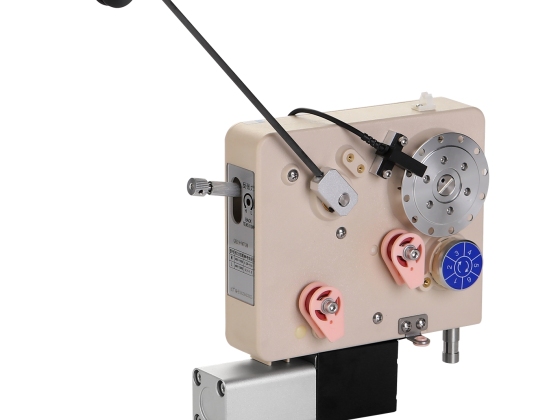
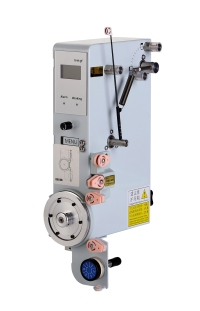
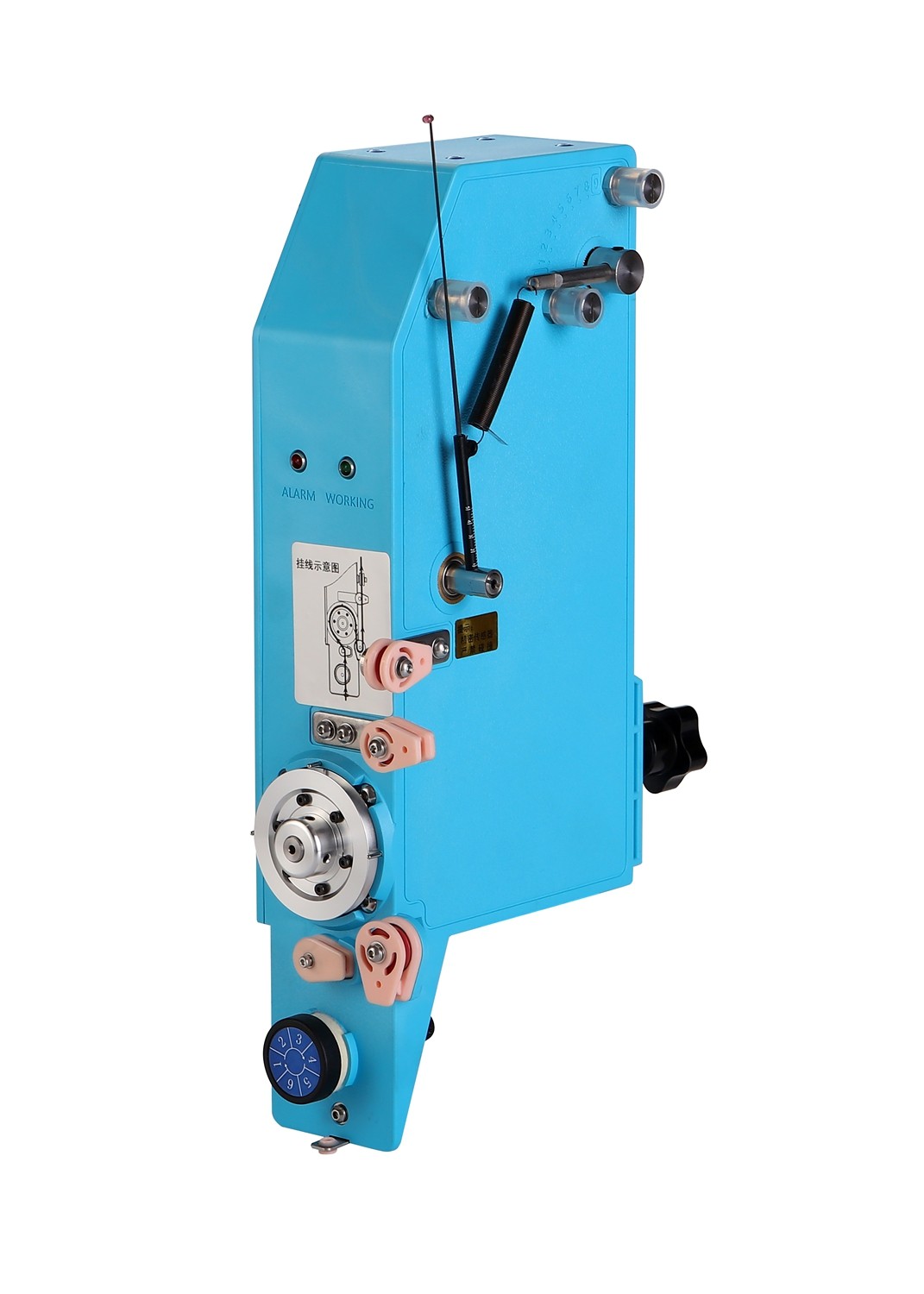
SIPU provides the tensioners with best quality. Our Servo Tensioner Series (SF/STD/SFQ) features active wire feeding and closed-loop control to eliminate wire breakage. Compatible with 0.02mm-1.5mm wires, suitable for high-speed automated winding.
Price: US$290.00~615.00
- SIPU
- CHINA
- Information
1. Product Overview: The Heart of Precision Winding
Built-in DC Servo Motor: Automatically feeds the wire based on winding speed. Closed-Loop Feedback: Real-time monitoring ensures the tension remains constant, whether the machine is accelerating, decelerating, or running at constant speed. Result: Zero wire breakage, precise coil dimensions, and higher efficiency.
2. Series Classification: Choose Your Model
We offer four specialized series to meet different winding complexities. Choosing the right series depends on your
(Best for: General purpose coils with consistent winding speed)
Water Valve Coils & Solenoid Valves: Where high-speed winding (up to 20,000 RPM) is needed for massive output. General Power Relays: For standard telecommunication or appliance relays. Inductors & Transformers: Simple Bobbin winding. Key Advantage: Replaces traditional mechanical felt tensioners to eliminate wire scratching and breakage, improving yield by over 95%. Recommended Models: SF800, SF2000
Applications:
SF 600
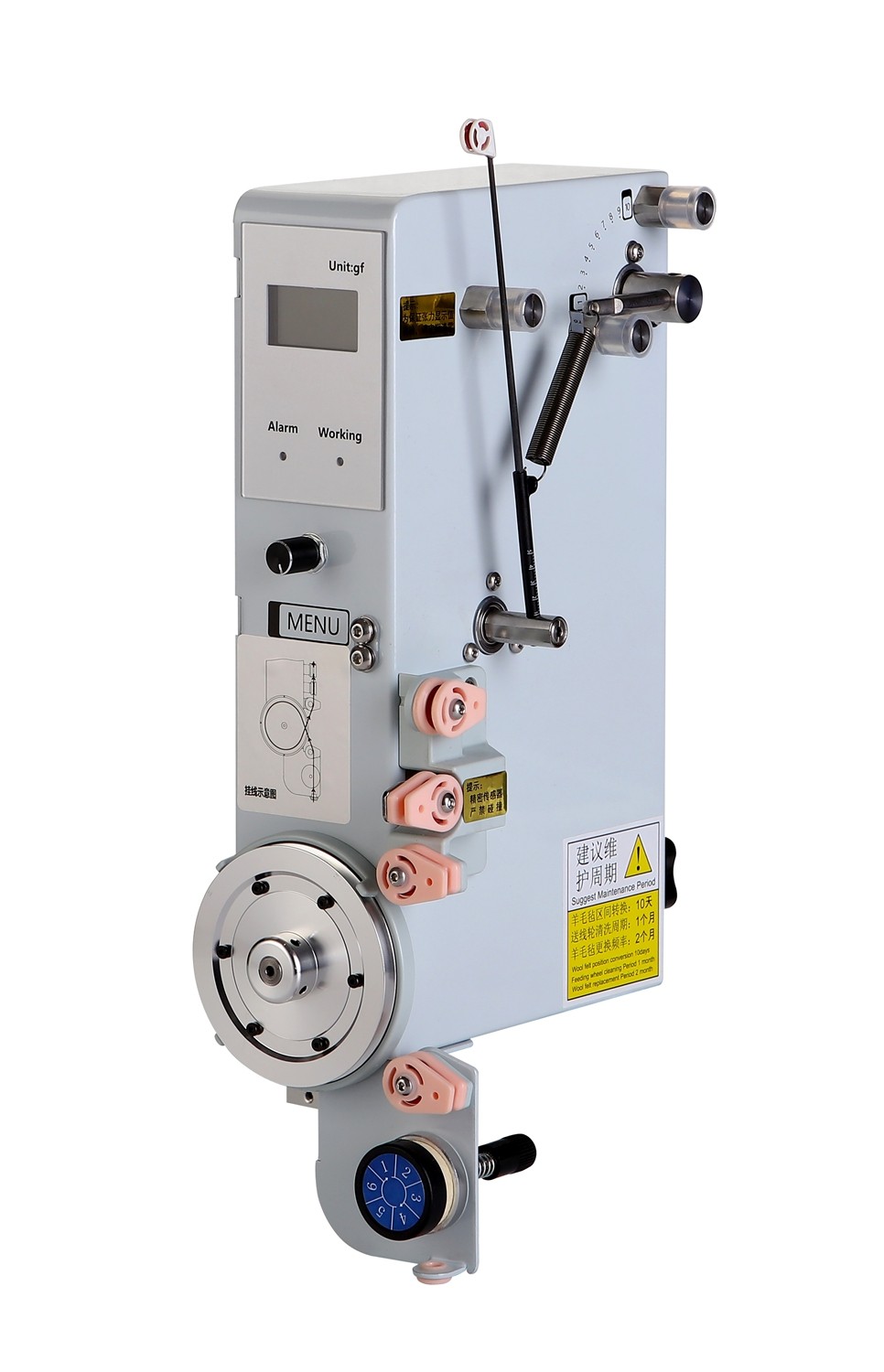
SF 800
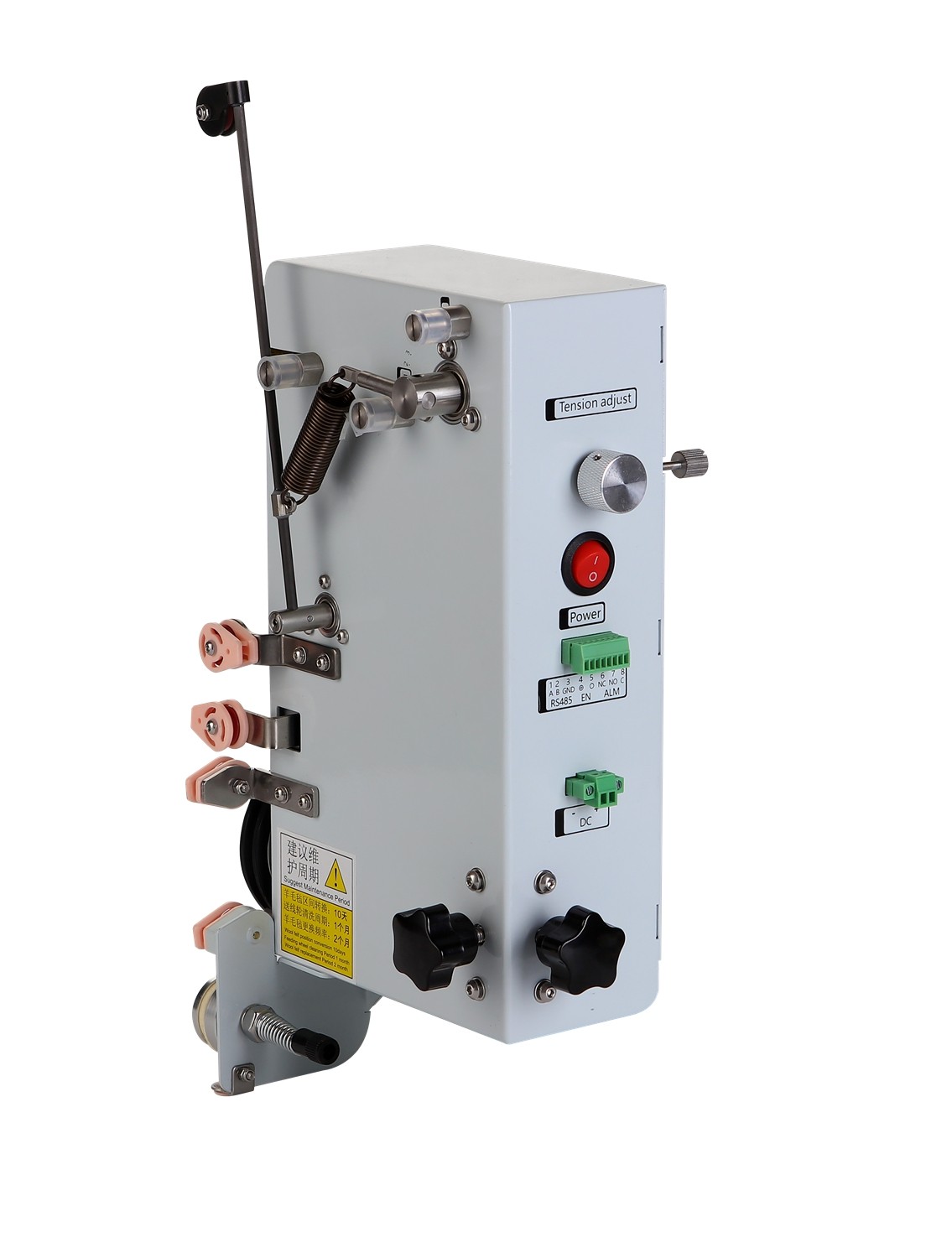
SF 2000
(Best for: Coils requiring tight terminal connections)
Applications: Automotive Relays: Requires high tension for the start/finish lead wrapping on the pin. Contactor Coils: Thick wire wrapping needs extra force. Ignition Coils (Primary Winding): Ensuring the start lead does not loosen during high-speed winding.
Key Advantage: Prevents "loose pins" or "broken wires" during the critical start/finish phase. Recommended Models: STD800, STD2000
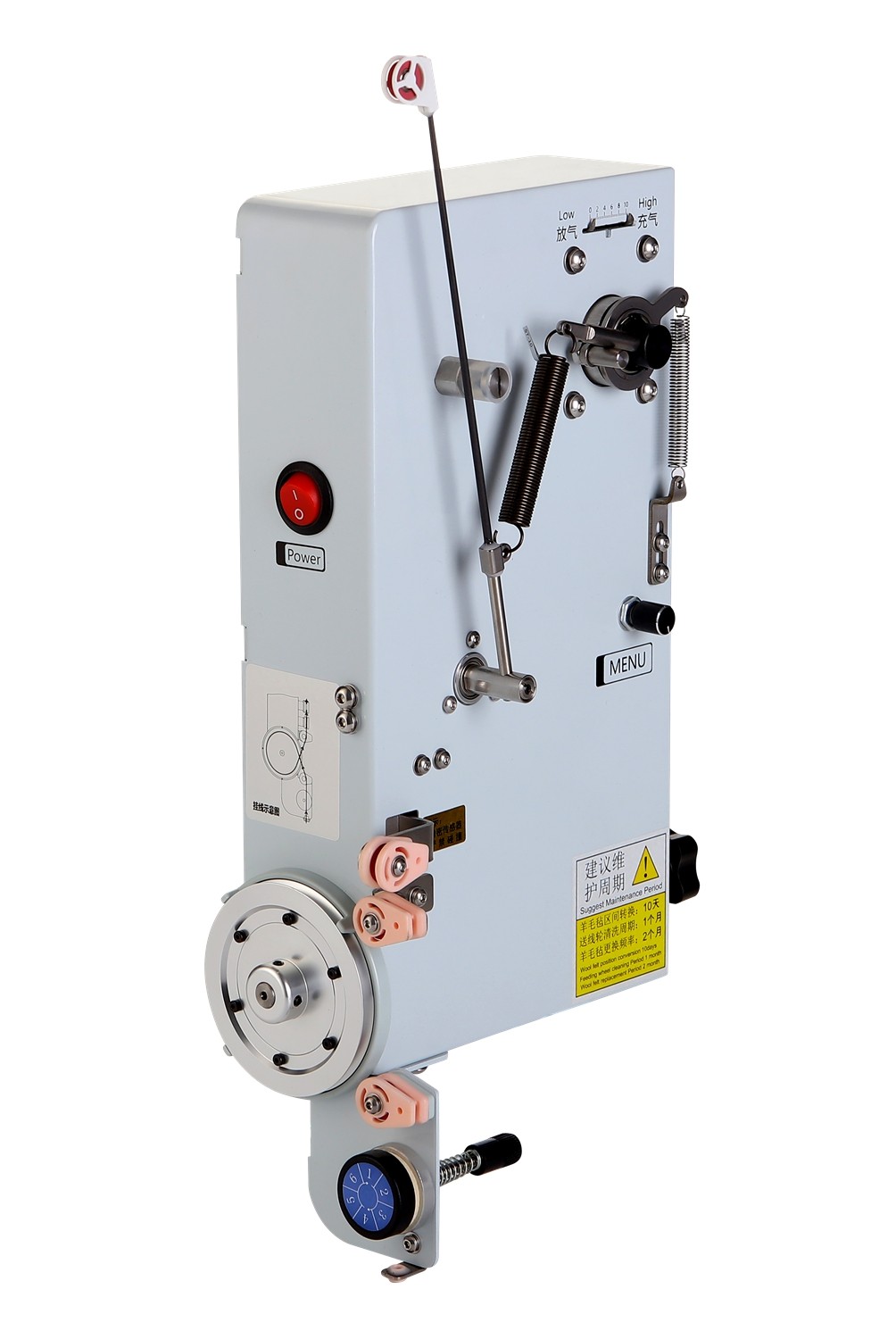
STD 800
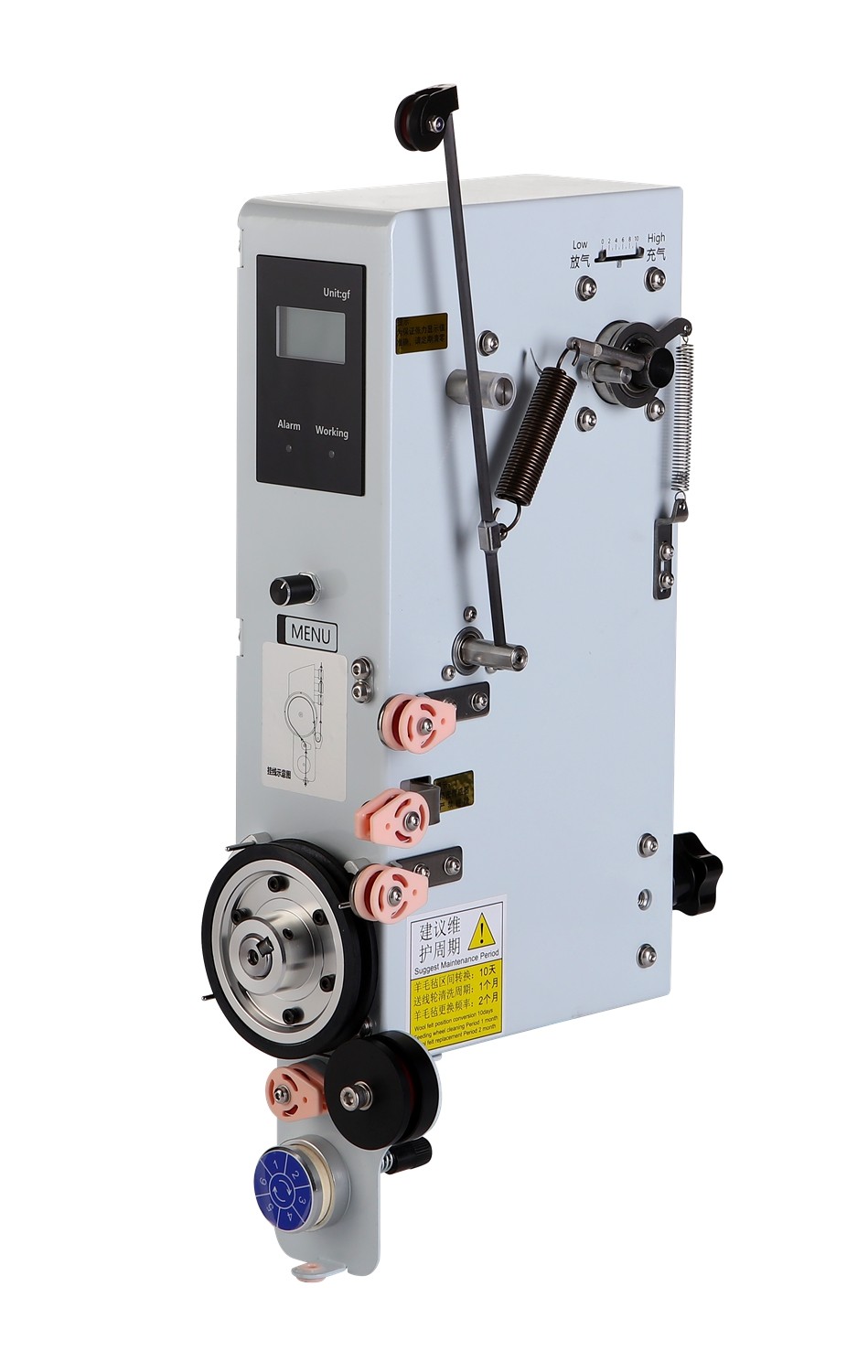
STD 2000
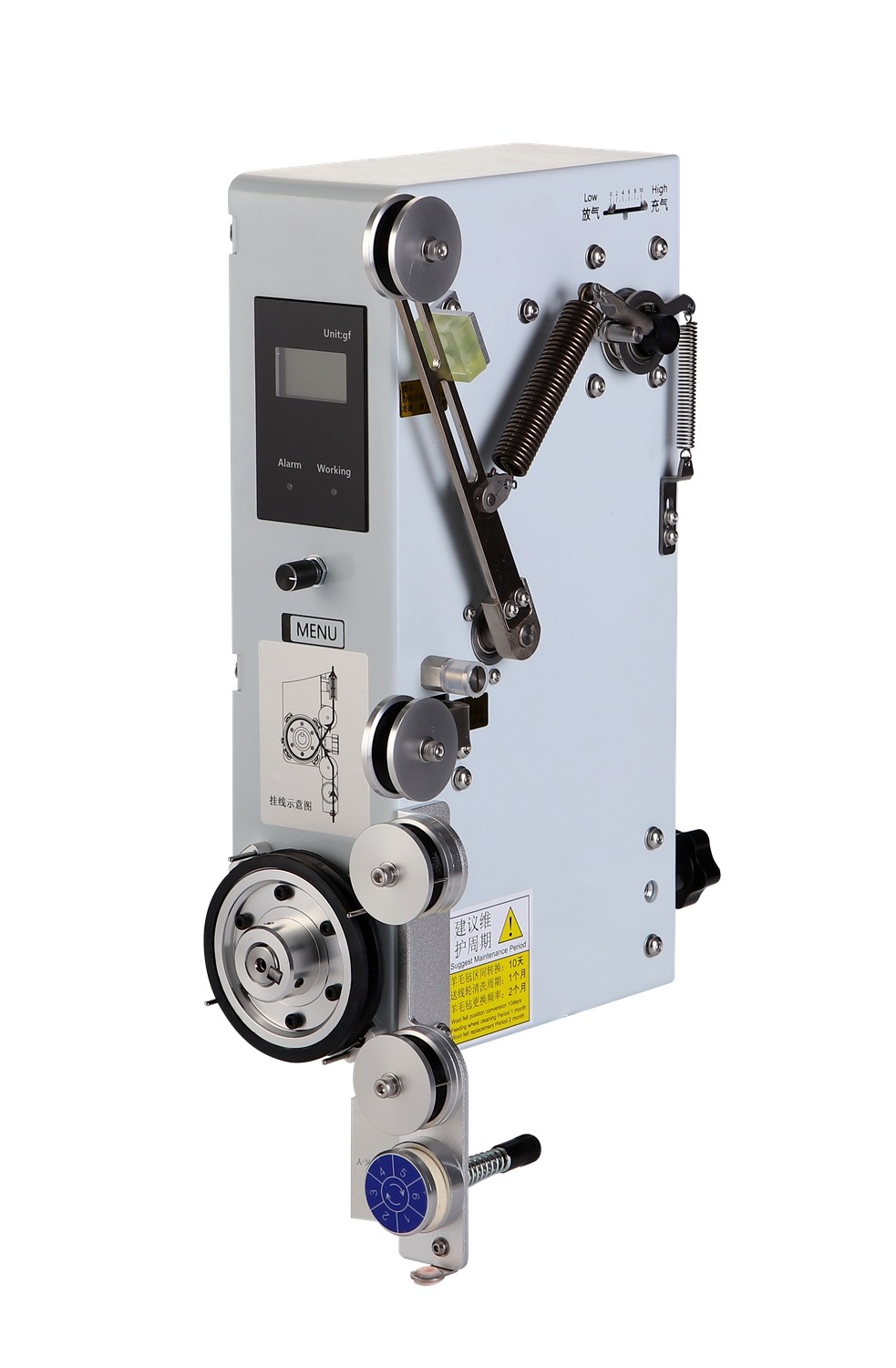
STD 3000
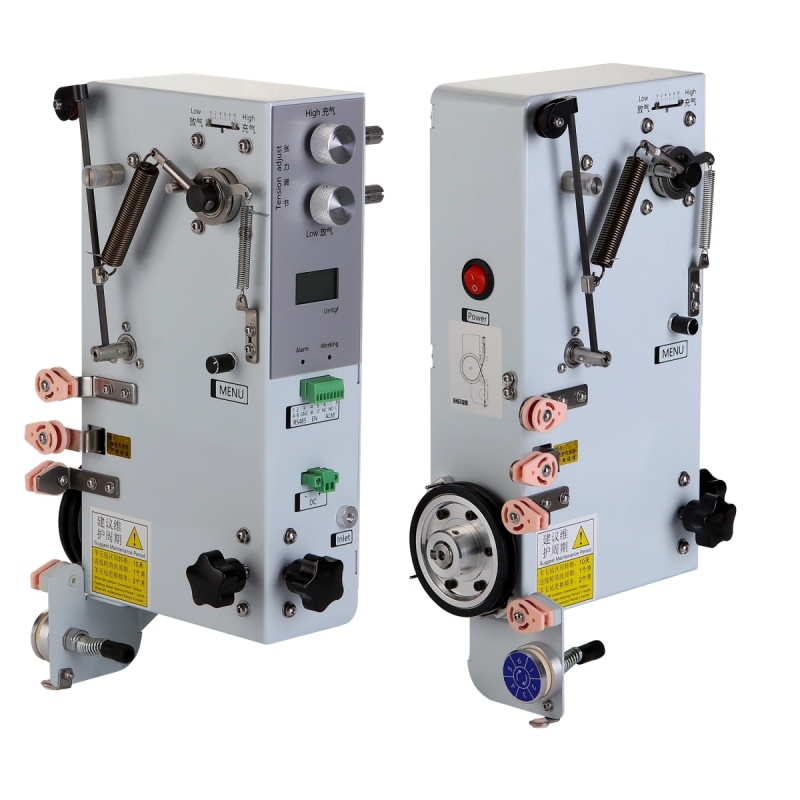
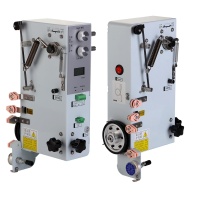
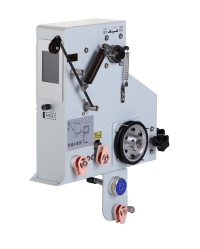
C. SFQ / SFW Series: Multi-Stage Intelligent Control
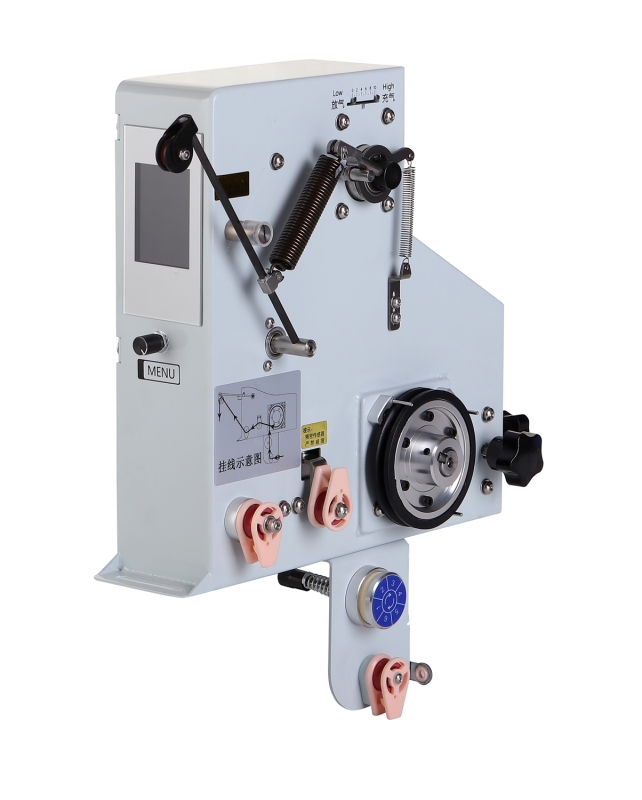
Applications: ABS Coils (Anti-lock Braking System): Requires absolute precision. You can reduce tension in outer layers to prevent the coil from bulging or cracking the bobbin. Ignition Coils (Secondary Winding): For winding thousands of turns of ultra-fine wire (0.02mm), intelligent tension fluctuation compensation is critical. Sensors & RFID Coils: Where electrical resistance consistency is strictly controlled. SFW Specifics (Wheel Type): The SFW model uses a Wire Guide Wheel instead of a porcelain eyelet, making it ideal for Sensitive Wires (e.g., Litz wire) to minimize friction damage.
Recommended Models: SFQ800 (Smart), SFW2000 (Wheel Type for heavy duty).
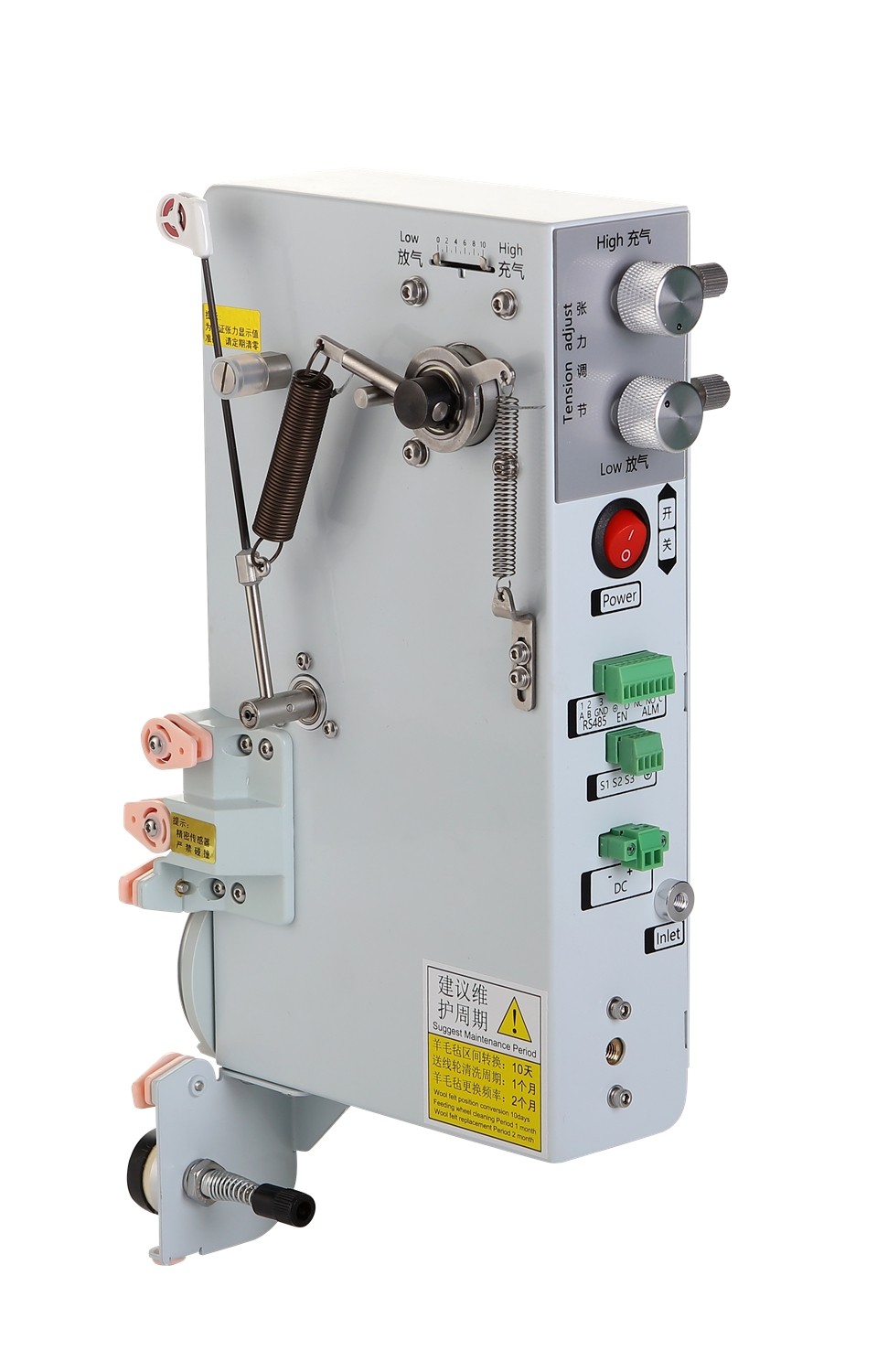
SFQ 800(rear)
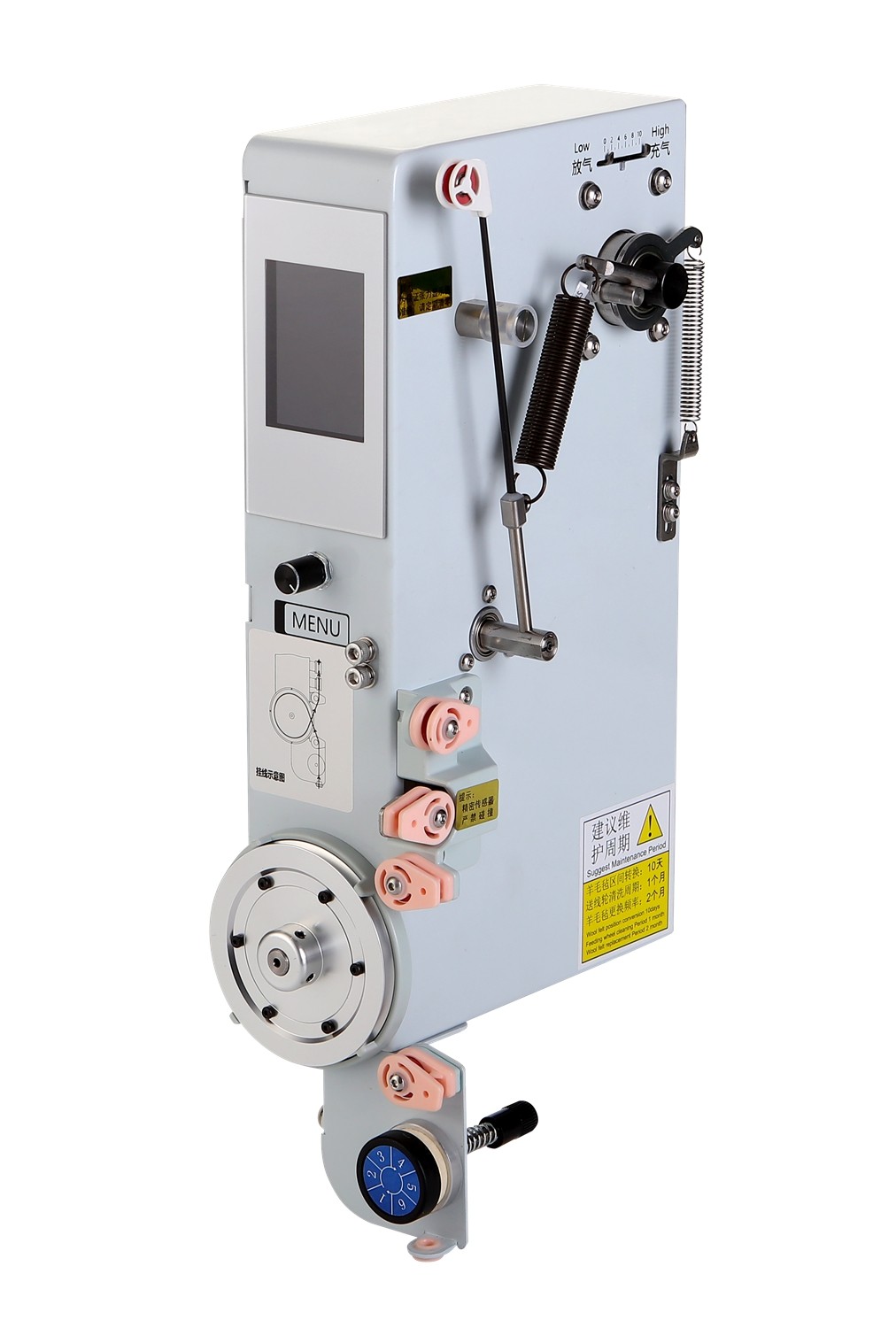
SFQ 800(front)
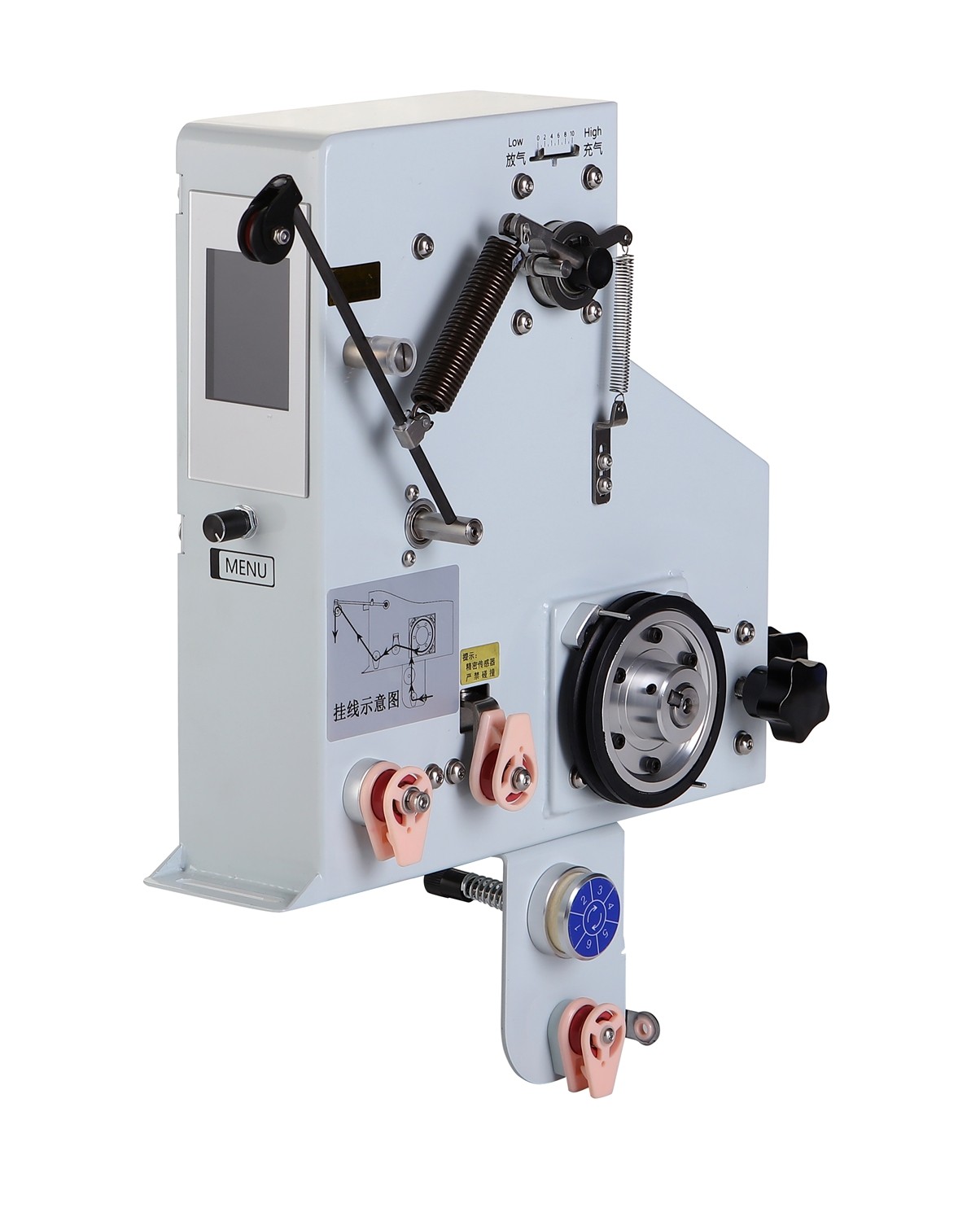
SFW 2000
3. Specification
| Series | Model | Tension Range(gf) | Wire Dia.(mm) | Max Speed(m/s) | Tension Stage |
| SF 600 | 1~600 | 0.02~0.35 | 15 | One-stage | |
| SF 800 | 1~800 | 0.02~0.40 | 25 | ||
| SF 2000 | 200~2000 | 0.20~0.70 | 9 | ||
| STD | STD800 | 7~800 | 0.05~0.40 | 25 | Two-stage |
| STD2000 | 200~2000 | 0.20~0.70 | 9 | ||
| STD3000 | 300~3000 | 0.30~0.90 | 9 | ||
| SFQ | SFQ800 | 7~800 | 0.05~0.40 | 25 | Eight-stage |
| SFQ2000 | 200~2000 | 0.20~0.70 | 9 | ||
| SFQ3000 | 300~3000 | 0.30~0.90 | 9 | ||
| SFW | SFW2000 | 200~2000 | 0.20~1.20 | 9 | |
| SFW3000 | 500~4500 | 0.35~1.35 | 6 |
4. Essential Accessories (Sold Separately)
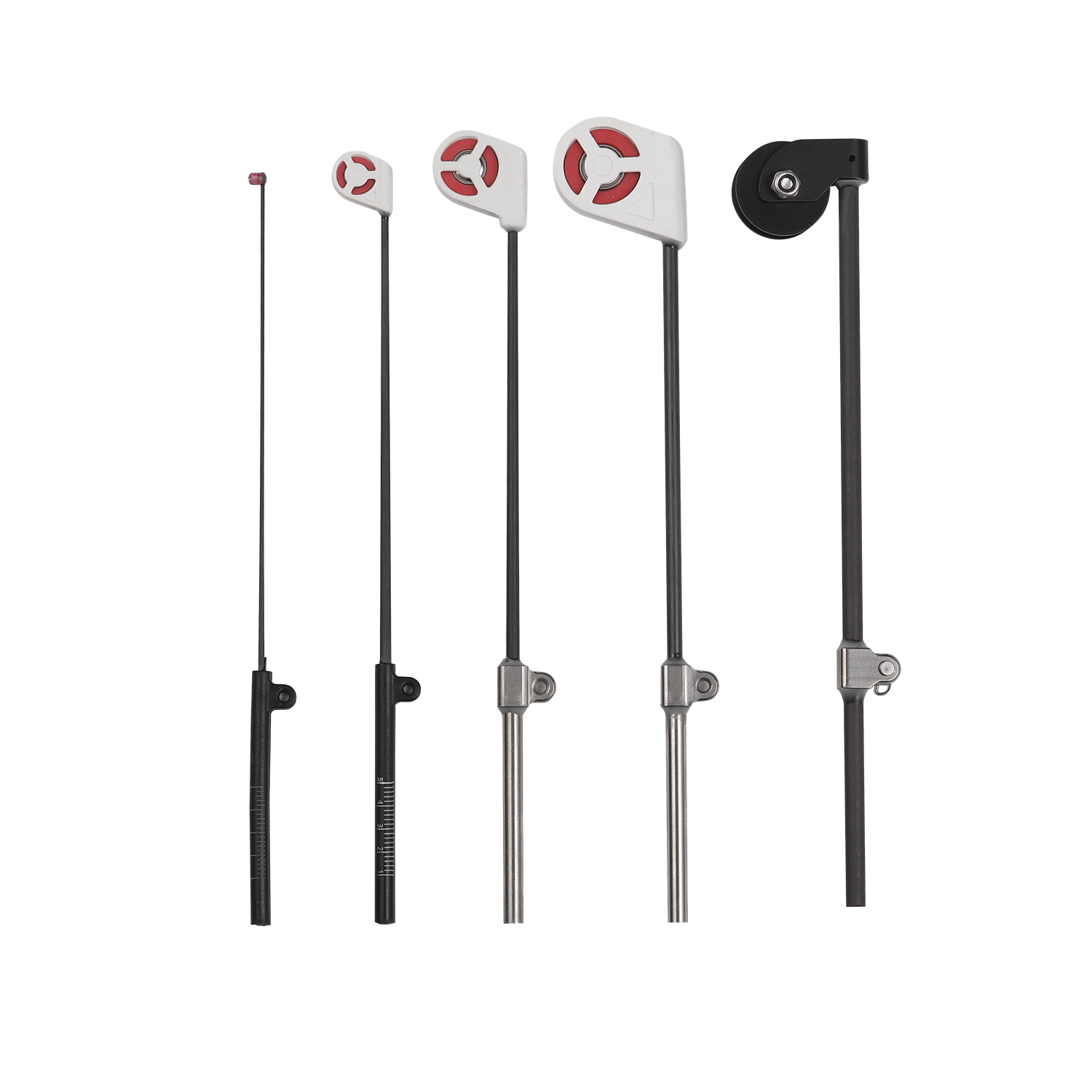
Tension Arms
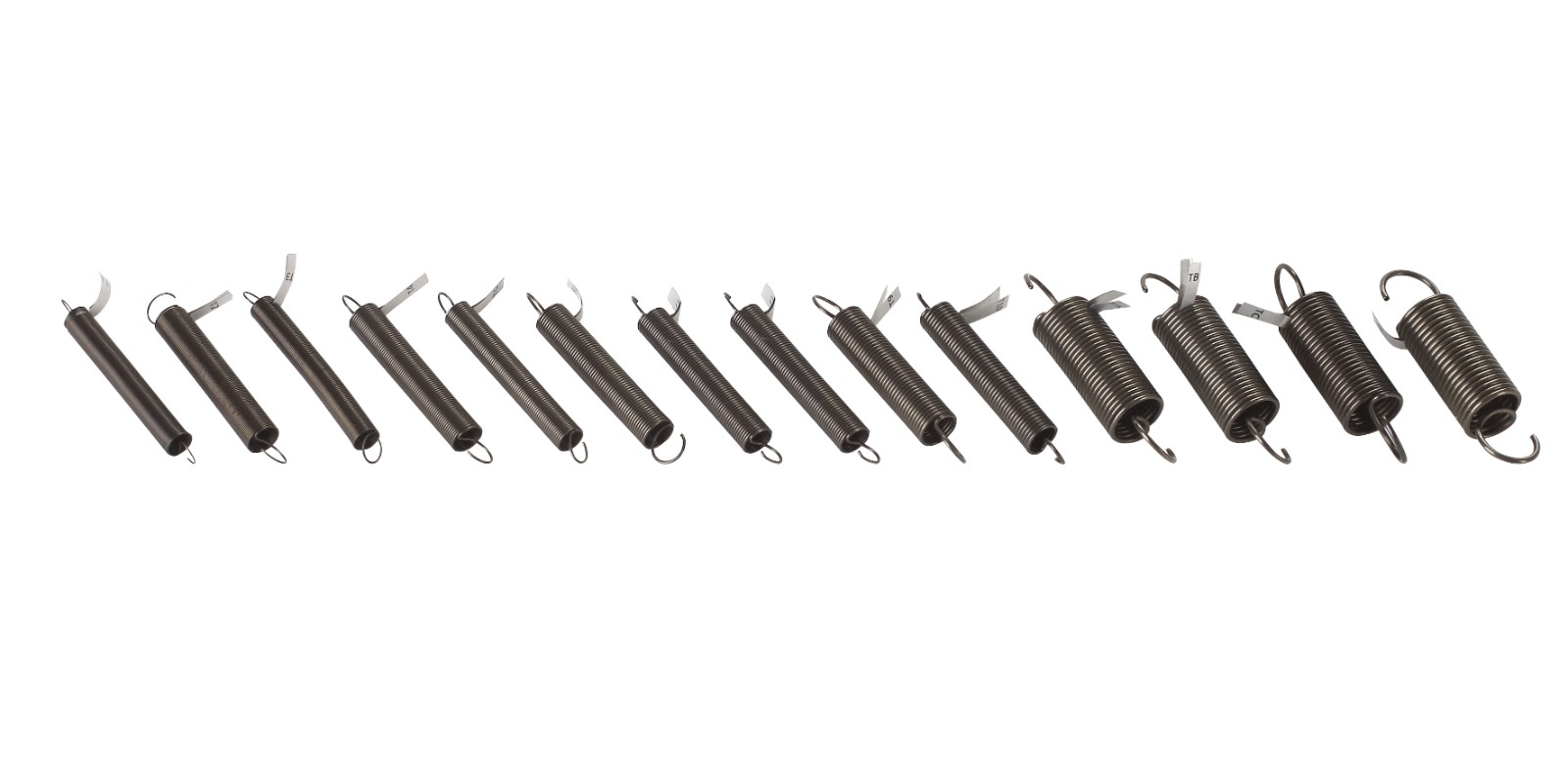
Tension Springs
5. Frequently Asked Questions (FAQ)
Q1: What is the main advantage of Servo Tensioners over Magnetic Tensioners?
A: Magnetic tensioners rely on passive friction (braking), which causes tension fluctuation when winding speed changes.SIPU Servo Tensioners use an active wire feeding system with a built-in motor. It automatically adjusts the wire feed speed to match the winding machine, ensuring constant tension even during rapid acceleration or deceleration. This is critical for preventing breakage in fine wires (<0.1mm).
Q2: How do I choose between the SF (Single) and STD (Dual) series?
A: Choose SF Series: For standard coil winding, where tension remains constant.
Choose STD (Dual-Stage) Series: If your process requires wrapping the wire around the terminal pin at high speed. You can set a higher tension for the pin wrapping (to ensure a tight connection) and a lower tension for the main coil body (to prevent breakage), switching automatically via the machine's I/O signal.
Q3: Is it difficult to install these tensioners on my existing winding machine?
A: Not at all. The installation is straightforward. You only need to provide a DC 24V/48V power supply and connect two signal wires (Ready/Alarm). We provide a detailed Wiring Diagram and English Manual with every unit to guide your engineers.
Q4: Do I need to calibrate the tensioner?
A: Yes, for the highest precision, we recommend performing a "Zero Calibration" (Zeroing) when installing a new tension arm or spring. The SF/SFQ series features a simple menu knob or button to perform auto-zeroing in seconds.
Q5: What happens if the wire breaks during winding?
A: The tensioner has a built-in Wire Breakage Alarm. If the tension arm drops below the limit angle (indicating a break or empty spool), the tensioner will immediately send a stop signal to your winding machine to prevent producing defective parts.
Q6: How often should I replace the Tension Arm and Spring?
A: This depends on your usage intensity.
Tension Spring: We recommend checking its elasticity every 6 months.
Wool Felts & Ceramic Eyelets: These are wear parts. Check them monthly and replace them if they show signs of grooves or wear to protect the wire insulation. SIPU stocks all these spare parts for fast delivery.
Q7: Can I use one tensioner for different wire sizes?
A: Yes, but within a range. For example, the SF800 covers 10g-800g. If you switch from 0.05mm wire (low tension) to 0.25mm wire (high tension), you may need to change the Tension Spring to a stiffer one to maintain stability. We offer a full spring kit (T1-T19) for this purpose.
Q8: Why does the tensioner display an error code?
A: The LED display on SFQ/SFW models provides real-time diagnostics. Common codes indicate "Over-current," "Over-speed," or "Limit Position Error." Please refer to the User Manual provided by SIPU, or contact our support team for a quick resolution.