


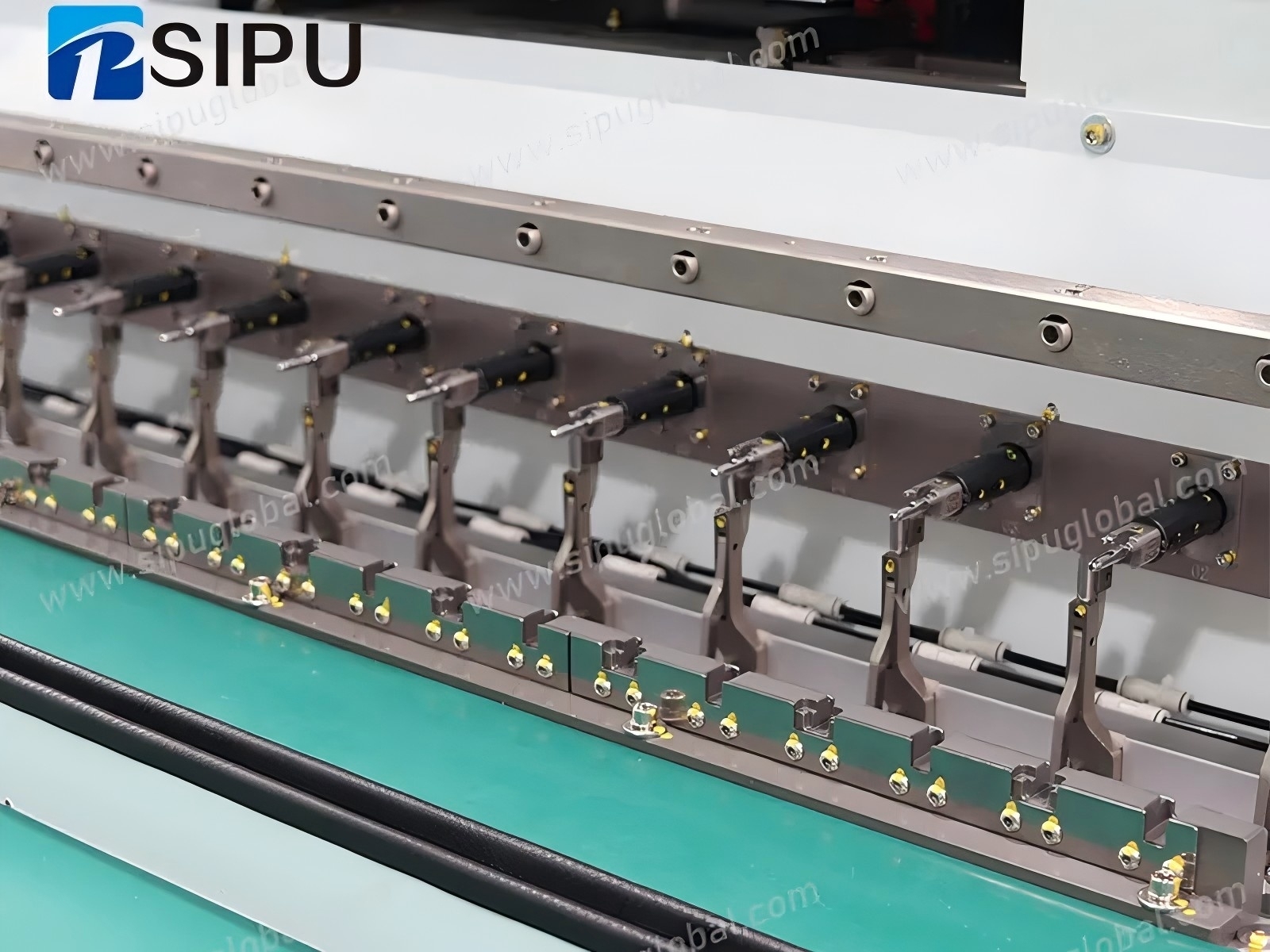
How to Choose the Right Soldering Process?
2026-07-08 10:15A Complete Comparison of Iron Soldering, Solder Bath, and Solder Pot
Abstract
This article delivers a side-by-side comparison of three mainstream soldering processes: iron soldering, dip soldering with a rectangular solder bath, and dip soldering with a deep-well solder pot. It breaks down the core differences between solder baths and solder pots in terms of structure, temperature control, solder dross generation, and maintenance costs. Targeting the pin-soldering needs of coils, transformers, and sensors, it provides clear selection criteria to help procurement managers and process engineers match the right automatic soldering equipment to their production requirements.
Many coil manufacturers who invest in dip soldering equipment encounter the same frustrations: using a traditional large solder bath for coil lead tinning often leads to rapid solder oxidation, excessive dross formation, and significant temperature variations across the bath that cause cold joints and defective parts—driving up production costs. After visiting numerous automated production lines, we have observed that deep-well solder pot dip soldering solutions are rapidly gaining traction in the coil industry. Yet many engineering and procurement professionals still struggle to distinguish the appropriate use cases for solder baths versus solder pots, and find it difficult to evaluate process routes based on production capacity and workpiece geometry.
Xiamen Sipu Mechanical Co., Ltd. (Sipu or Sipu Mechanical) has years of experience in developing automatic soldering equipment for coil manufacturing. In this article, we break down the three mainstream soldering processes, clarify their respective strengths and limitations, and help you quickly match the right solution to your production line.
I. Soldering Fundamentals at a Glance
Soldering uses temperatures ranging from 200°C to 400°C to melt lead-free or lead-based solder alloys, which fill the gaps between metal component terminations. Upon cooling, the solder forms both an electrical connection and a mechanical bond.
For coils, inductors, and transformers, the industry primarily relies on three process categories: iron soldering, solder bath dip soldering, and solder pot dip soldering. Wave soldering and reflow soldering are typically used for PCB assembly and fall outside the scope of this article, as they are not relevant to the targeted pin-dipping of coil components.
II. Side-by-Side Comparison of the Three Soldering Processes
| Process | Heating Method | Best-Suited Applications | Key Advantages | Limitations |
| Iron Soldering | Single-point contact heating | R&D prototyping, small batches, rework | Low cost, precise & flexible | Slow, inconsistent joints |
| Rectangular Solder Bath | Full-bath heating | Coil terminals, flat connector pin headers, large-area simultaneous tinning | High mass-production throughput | Heavy dross, uneven temperature |
| Deep-Well Solder Pot | Bottom concentrated heating | Coil pins | Low solder waste, stable temp | Only for partial local dipping |
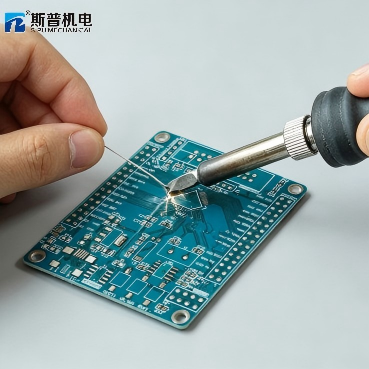
Iron soldering
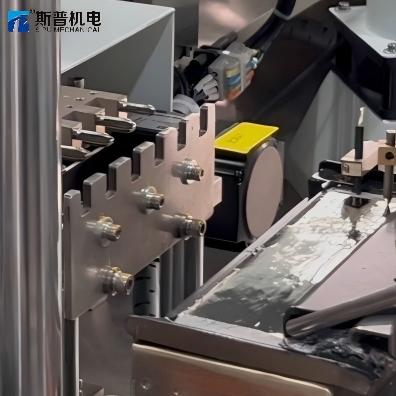
Solder bath
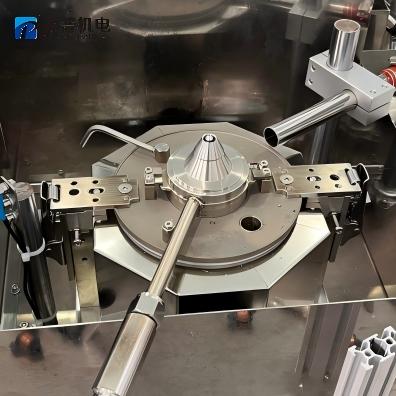
Solder pot
III. Solder Bath vs. Solder Pot: Five Core Differences Explained
1. Structural Design
Solder Bath: A wide, rectangular trough with a large top opening, designed for flat immersion of entire PCB panels or bulky coil bobbins. It allows batch processing of planar or moderately sized workpieces, and is also commonly used for high‑volume coil lead tinning where speed outweighs ultra‑fine temperature control.
Solder Pot: A round or deep‑bucket cavity with a narrow opening, where depth exceeds width. Workpieces are vertically suspended into the cavity for lead dipping, specifically engineered for point‑to‑point terminals and slender leads, offering superior temperature consistency.
2. Solder Oxidation and Consumable Costs
The larger the solder surface exposed to air, the faster oxidation occurs, and the higher the dross generation. Solder baths, with their wide openings, generate substantial dross over extended production runs and require relatively frequent solder replenishment. Solder pots, with their narrow cavities and minimal exposed solder surface, significantly slow oxidation and reduce overall solder consumption – delivering meaningful cost savings in long‑run production, especially for fine‑pitch coil terminals.
3. Temperature Uniformity
Lead‑free solder has a high melting point and is highly sensitive to temperature fluctuations; even minor temperature variations can cause cold joints and soldering defects. Large‑capacity solder baths have dispersed heating elements, resulting in noticeable temperature differences between the center and the corners – acceptable for less critical large coils, but risky for precision parts. Compact solder pots, with heating elements concentrated at the cavity bottom, provide superior heat concentration and consistent temperature control, ensuring higher soldering quality for precision coil leads.
4. Maintenance Intervals
Solder baths generate dross at a faster rate and require more frequent cleaning and dross skimming. Solder pots, with their slower oxidation rates, significantly extend the intervals between skimming and deep‑cleaning cycles – reducing equipment downtime and maintenance labor.
5. Product Compatibility
Solder Bath: PCB panels, long connector headers, coil bobbins and terminals, and parts requiring large‑area simultaneous tinning – ideal for high‑volume, less‑sensitive coil soldering.
Solder Pot: Relay coils, solenoid coils, transformers, inductors, and other electromagnetic components with fine, densely‑spaced leads requiring targeted, precision dip soldering.
IV. A Two‑Step Framework for Selecting Your Soldering Process
Step 1: Evaluate Workpiece Geometry and Precision Needs
Flat PCB panels, flat pin headers, or larger coil leads with high throughput demand → Prioritize the rectangular solder bath
Fine coil leads, delicate terminals, irregular single‑point precision components → Prioritize the deep‑well solder pot
Step 2: Factor in Production Volume and Quality Requirements
Single‑product, ultra‑high‑volume runs where maximum throughput is the priority, and temperature uniformity is not critical → A solder bath solution delivers the efficiency advantage
Multi‑product coil changeovers, where soldering yield and consumable costs are critical, especially for fine‑pitch leads → A solder pot solution better serves precision processing needs
A Note on Equipment Selection
In real-world production, different coil types – even within the same factory – often demand different process paths. At Sipu Mechanical, our automated coil production line dipping stations are designed to accommodate both solder bath and solder pot configurations, depending on the customer's specific coil design.
For precision coils with slender leads where yield is paramount, we recommend the deep-well solder pot to eliminate temperature variation and solder waste concerns. For customers with larger-format coils or higher-volume, less-sensitive terminals, we equally offer a solder bath solution that maximizes throughput. Our core principle is yield assurance first – we recommend the most suitable solder bath or solder pot equipment based on your actual product profile and production volume expectations.
V. Summary
There is no absolute "better" or "worse" among soldering processes – only what fits your specific application. By clarifying three core requirements – workpiece geometry, monthly production volume, and soldering quality standards – you can quickly identify the most cost-effective solution for your needs.
About Sipu Mechanical
Xiamen Sipu Mechanical Co., Ltd. specializes in the R&D and manufacturing of automatic soldering equipment for coils, as well as fully automated coil integration lines. Our equipment is widely deployed in the precision soldering of electromagnetic components across the automotive electronics, smart home, and new energy storage industries. We offer flexible solder bath or solder pot process solutions tailored to your specific coil products – always with the goal of delivering the highest soldering yield and optimal overall value.
Website: www.sipuglobal.com