


The Ultimate Troubleshooting Guide: Solving Common Coil Winding Machine Problems
2026-04-07 09:52Introduction
Coil winding machines are the backbone of manufacturing for motors, relays, and transformers. However, even minor equipment faults can lead to significant production bottlenecks, material waste, and compromised coil quality.
From wire breakage to inconsistent tension, identifying the root cause of these common issues is the first step toward a zero-defect production line.
In this expert guide, the engineering team at Sipu Mechanical breaks down the most frequent coil winding problems and provides actionable maintenance solutions to keep your machines running at peak efficiency.
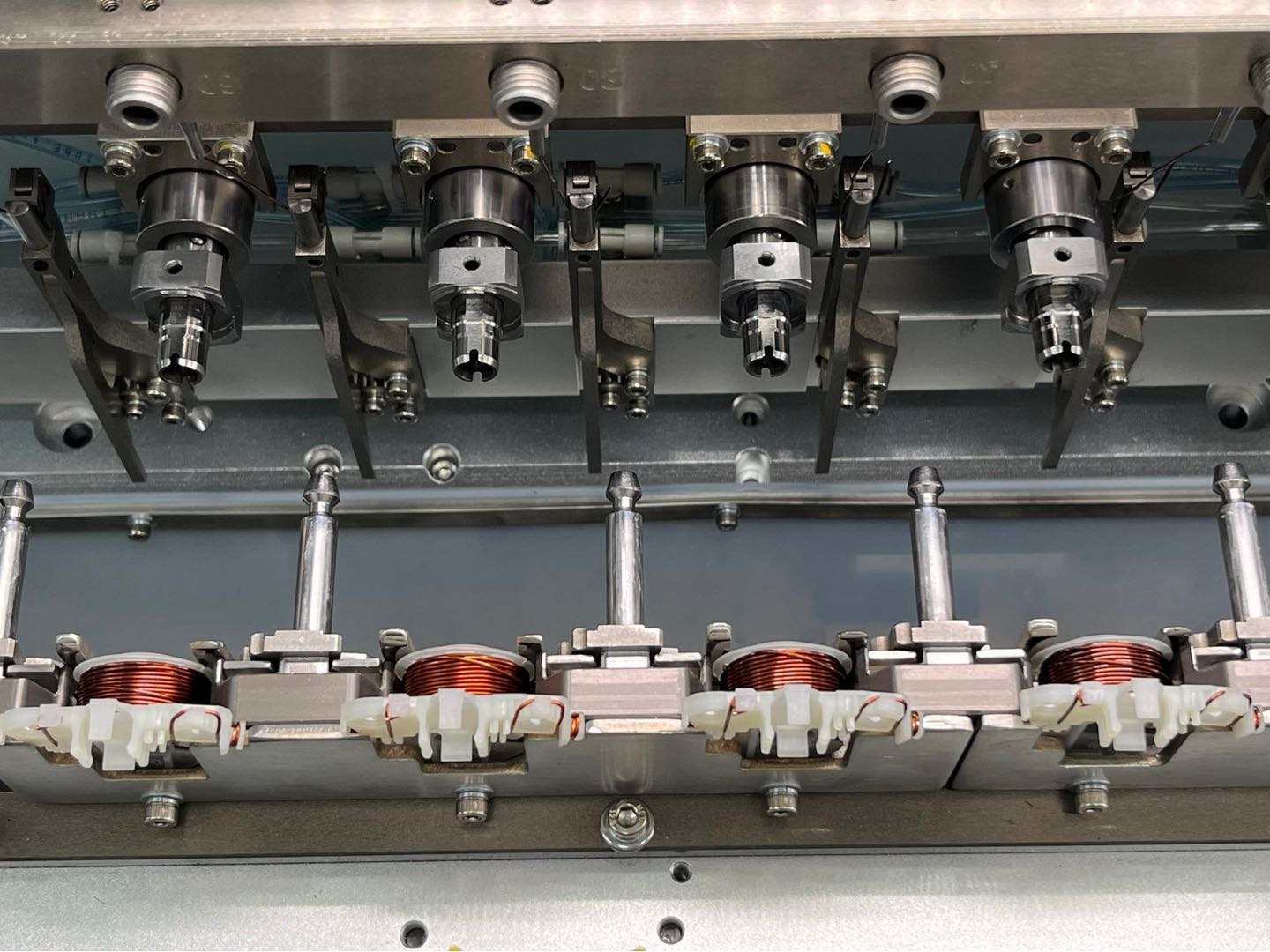
High precision CNC coil winding machine operating smoothly
1. Wire Breakage: The #1 Enemy of Efficiency
Wire breakage is arguably the most disruptive issue in coil winding. It causes unplanned downtime and wastes valuable copper wire.
Root Causes: Excessive tension, poor wire quality (damaged insulation/inconsistent diameter), or worn guiding components.
The Solution:
Optimize Tension: Maintain tension at 10%-15% of the wire’s tensile strength.
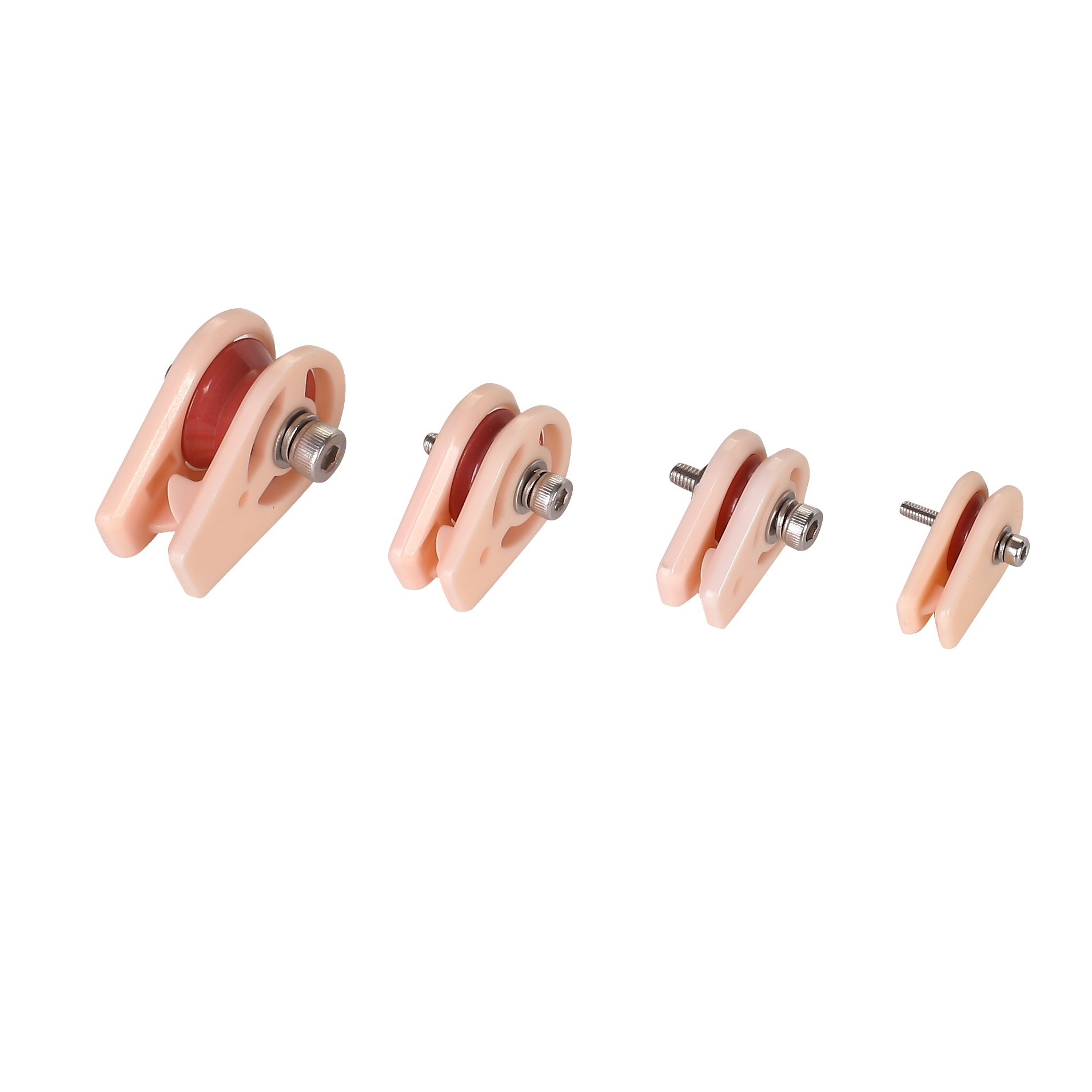
Inspect Guides: Frequently check and replace worn Ruby Nozzles or ceramic pulleys. Grooves in these parts create friction that snaps fine wires.
Upgrade Equipment: Consider upgrading to SIPU’s Active Servo Tensioners, which proactively feed the wire to prevent snapping during high-speed acceleration.
2. Inconsistent Tension & Coil Slippage
Tension fluctuation directly affects the coil's fill factor and electrical performance. Inadequate tension often leads to coil slippage (where wire laps slide off the core) and loose coils, making the product vulnerable to short circuits.
Root Causes: Worn mechanical tensioner felts, dust build-up, or incorrect parameter settings.
The Solution:
Clean Mechanisms: Remove copper dust from the tensioner's magnetic wheels daily.
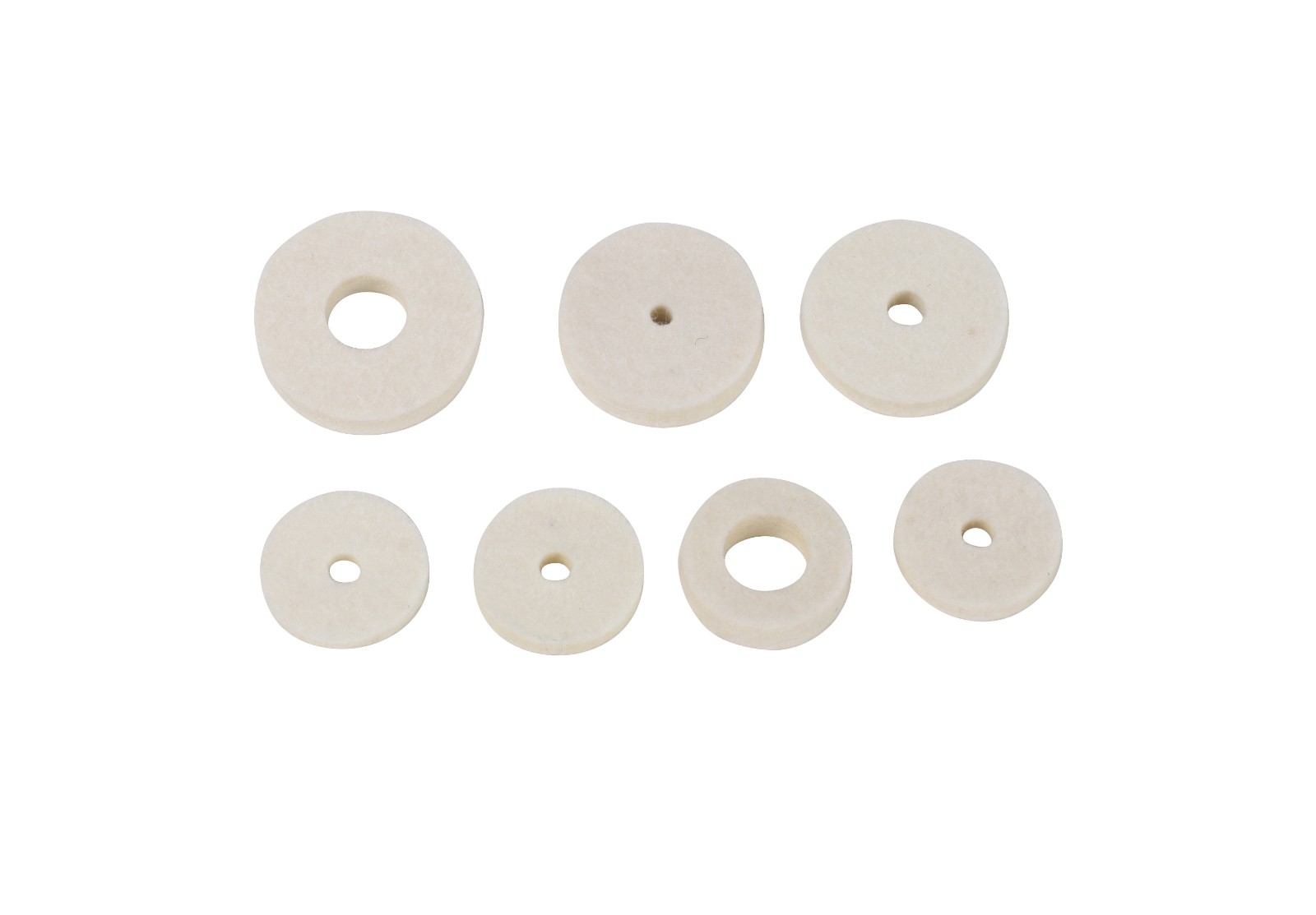
Replace Consumables: Regularly change the Wool Felts to maintain stable initial friction.
Parameter Tuning: Adjust the traverse speed to match the winding tension, preventing wire overlapping or buckling.
3. Winding Pattern Errors
Perfect orthocyclic winding (layer-by-layer) is crucial. Errors manifest as gaps, bulges, or crossed wires, which compromise the coil's structural integrity.
Root Causes: Programming mismatch, faulty traverse systems (ball screw issues), or loose bobbin fixtures.
The Solution:
Reprogramming: Ensure the wire diameter parameter in the CNC interface matches the actual enameled wire size (including insulation thickness).
Traverse Alignment: Check the synchronous belts and linear guides for wear. Lubricate them with ISO VG68 oil to ensure smooth side-to-side movement.
4.Core Misalignment & Inaccurate Turn Counts
A misaligned bobbin leads to asymmetric coils, while inaccurate turn counts result in failed quality checks (incorrect resistance/inductance).
Root Causes: Worn customized fixtures, dirt blocking sensor signals, or control panel glitches.
The Solution:
Fixture Calibration: Always align cores using precision tooling before starting a batch. Replace worn clamping jigs immediately.
Sensor Maintenance: Clean the turn-counting sensors. If the control panel displays errors, restart the software or check the PLC connections for short circuits.
5. Motor Overheating
Continuous high-speed operation can cause spindle motors to overheat, degrading insulation and reducing machine lifespan.
Root Causes: Prolonged use beyond rated capacity, poor factory ventilation, or heavy dust blocking motor cooling fans.
The Solution: Implement scheduled cooling breaks. Keep the machine environment clean and ensure ambient temperature stays below 40℃.
Note: SIPU machines utilize top-tier Panasonic/Mitsubishi servo motors designed for rigorous 24/7 industrial use.
Quick Diagnostic & Maintenance Schedule
| Worn Guide Nozzle / High Tension | Replace Ruby Nozzle; Adjust tension | Daily Check | |
| Worn Wool Felt / Dirt | Clean tensioner; Replace felt | Weekly Check | |
| Traverse System Friction | Lubricate Linear Guides & Ball Screws | Monthly | |
| Sensor Blocked or Faulty | Clean sensor optics; Check PLC wiring | Monthly |
Conclusion: Prevention is the Best Strategy
Addressing coil winding machine issues proactively saves money and secures product quality. By upgrading to advanced components like Servo Tensioners and following a strict maintenance schedule, you can minimize downtime.
At SIPU Mechanical, we build robust, smart automation lines equipped with self-diagnostic control panels and high-precision parts to prevent these common errors from the source. Facing production bottlenecks? Contact our engineering team today for a free technical consultation or to order original spare parts.
FAQ
Q1: How often should I maintain my Coil Winding Machine?
A: Daily visual checks for dust and loose parts are essential. Perform a comprehensive check (lubrication, sensor cleaning, belt tension) at least once a month.
Q2: Can I use different wire types on the same machine?
A: Yes, but you must adjust the CNC parameters (wire diameter, traverse speed) and recalibrate the tensioner for each specific wire type to avoid loose coils or breakage.
Q3: Why does my control panel show inaccurate turn counts?
A: This is usually caused by dust blocking the optical sensors or loose wiring connections. Clean the sensor area first; if the issue persists, reset the control panel.
Q4: How do I fix loose coils?
A: Ensure you are using the correct tension setting for your wire gauge. Upgrade to an active servo tensioner if your mechanical tensioner is failing to provide consistent drag.