9 Common Problems in Coil Winding Machines and Simple Fixes for 2026
2026-03-26 09:52Coil Winding Machines are important in factories today. Sometimes, production slows down because problems happen again and again. Operators say these problems are common:
Wire breakage
Inconsistent tension
Coil slippage
Core misalignment
Winding pattern errors
Loose coils
Inaccurate turn counts
Overheating motors
Control panel errors
You might also see electrical failures. Insulation can break down. Heat can damage parts. Machines can have mechanical faults like bearing issues. Easy fixes can help machines work well. These fixes also make coils better.
Key Takeaways
Wire breakage is a big problem. Set tension to 10%-15% of wire strength to stop it.
Uneven tension can mess up coil quality. Check and change old tensioners often.
Coil slippage happens with wrong machine settings. Change settings for every job.
Core misalignment makes coil quality bad. Use alignment tools and check for damage often.
Winding pattern mistakes waste materials. Reprogram machines and fix traverse settings to help.
Loose coils can hurt insulation. Set the right tension and check all settings before you start.
Wrong turn counts can fail quality checks. Look at sensors and reset control panels to be sure.
Motors can get too hot and break. Give breaks and make airflow better to keep motors cool.
1. Wire Breakage in Coil Winding Machines
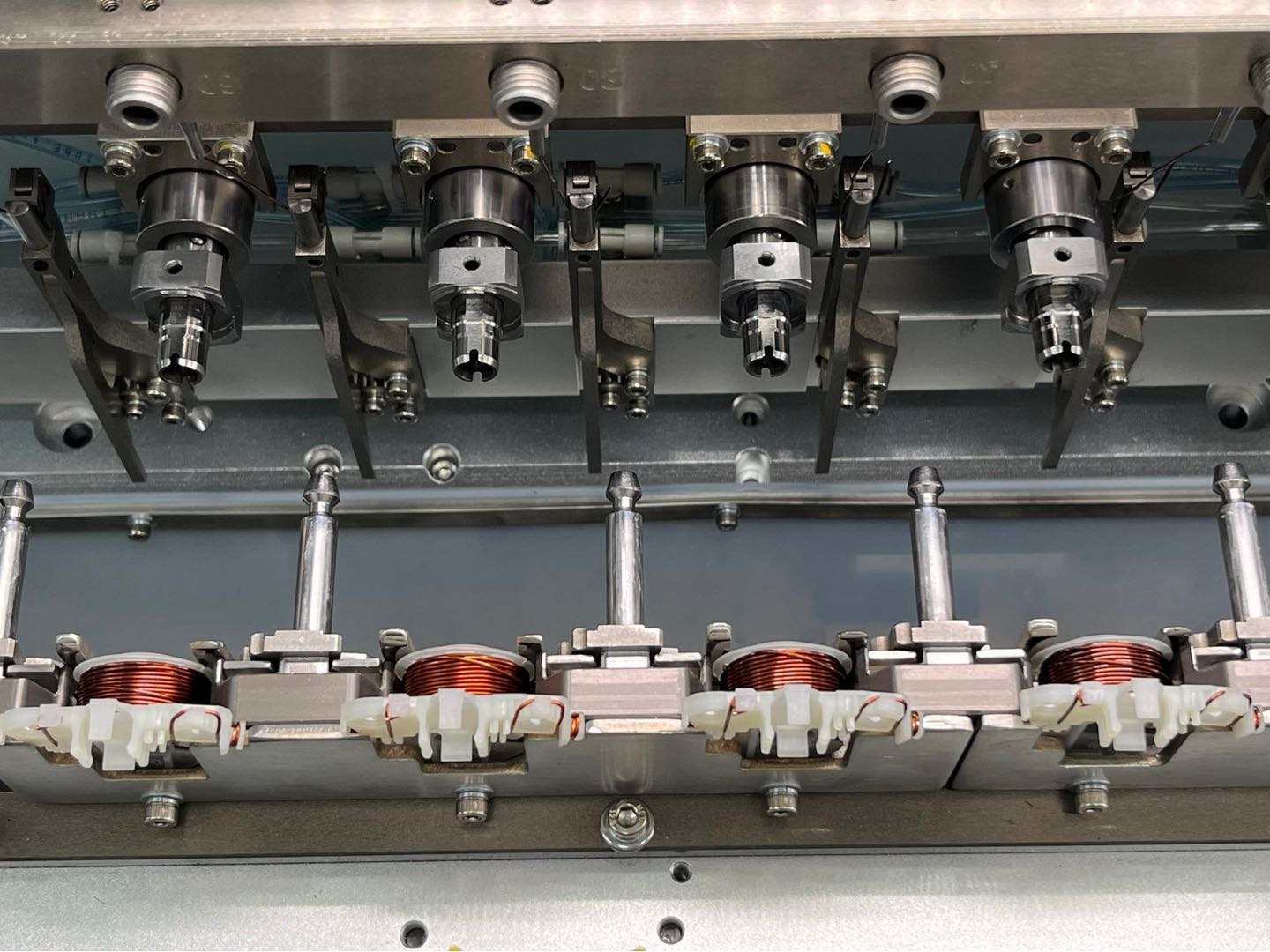
Wire breakage is a big problem for people using Coil Winding Machines. When the wire breaks, the machine slows down. This also makes the coils worse and costs more to fix. If you know why the wire breaks, you can fix it faster and keep the machine working well.
Causes of Wire Breakage
Many things can make the wire break. You need to find out what caused it before you try to fix it. These are the main reasons:
Tension Issues
If the tension is too high, the wire can snap. If the tension is too low, the wire can get tangled or wind unevenly. People sometimes forget to check the tension, but it is very important for the wire.
Poor Wire Quality
Bad wire breaks more often. If the wire has dirt, is not the same size, or has broken insulation, it gets weak. Always look at the wire before you put it in the machine.
Worn Guides
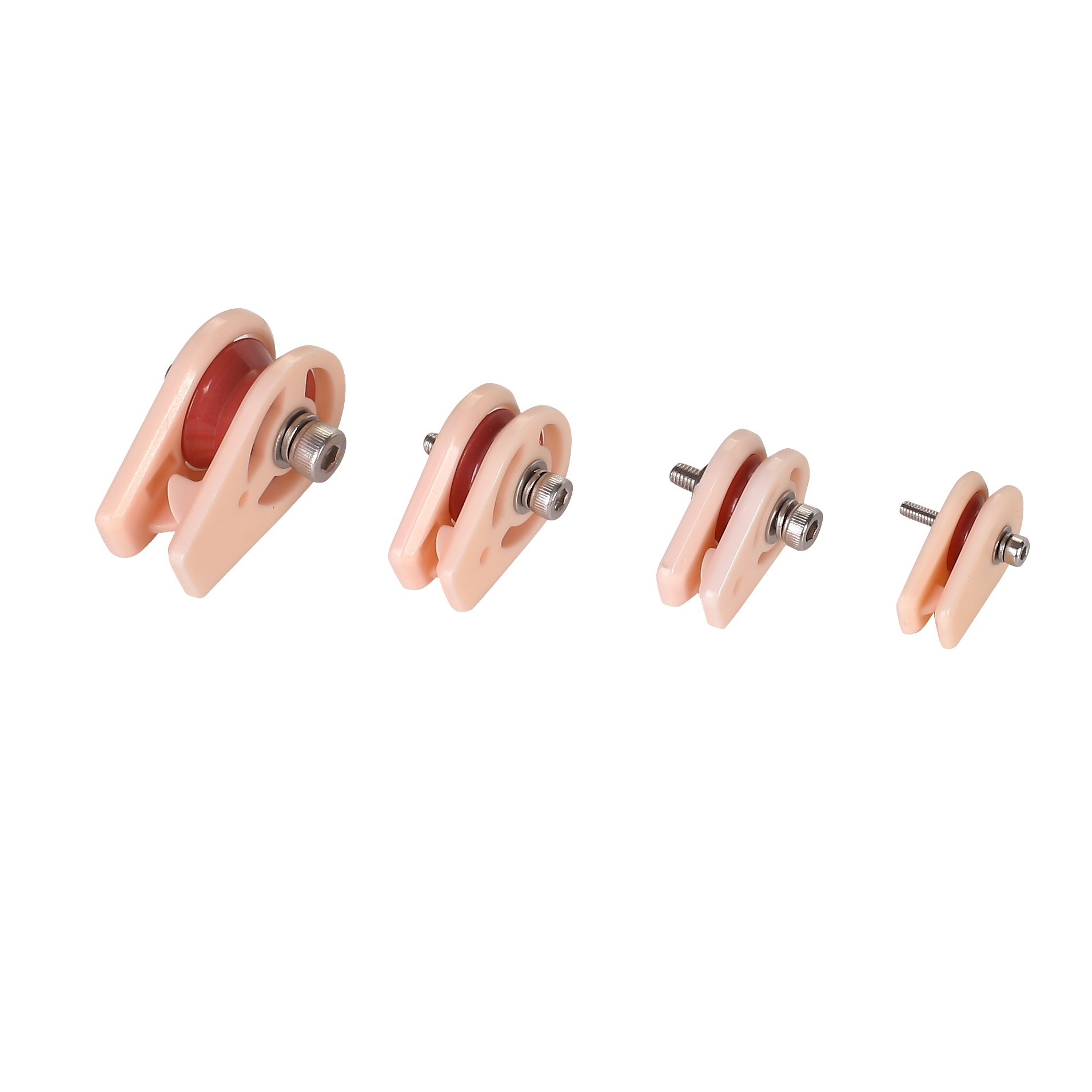
Guides help the wire move as it winds. Over time, guides can get old or dirty. This makes more friction and stress, which can break the wire.
Tip: Check the guides often and clean them. This helps stop the wire from breaking when you do not expect it.
Other things can also cause problems:
Too much weight can make the wire hot and weak.
Not taking care of the machine can make the wire break early.
Water can hurt the insulation and make the wire break.
Machine parts that do not work right can cause trouble.
Fixes for Wire Breakage
When you know what is wrong, you can fix it the right way. Do these things to stop the wire from breaking:
Adjust Tension
Set the tension to the right level. Most people say to keep the tension at 10% to 15% of the wire’s strength. This stops tangling and keeps the wire from changing shape.
Use Quality Wire
Pick wire from good companies. Look for problems before you use it. Good wire does not break as much and makes better coils.
Maintain Guides
Clean the guides often and change them if they are old. This stops friction and helps the wire move smoothly.
Here is a table to help you remember what to do:
You can stop wire breakage in Coil Winding Machines by watching tension, using good wire, and taking care of guides. Smart systems and keeping the room right also help stop problems.
2. Inconsistent Tension
Inconsistent tension happens a lot with Coil Winding Machines. If you do not control tension, coils will not be good. The machine may also stop working more often. You can fix this if you know why tension changes. Simple care steps help too.
Why Tension Fluctuates
Tension can change for many reasons. Operators say these things cause problems:
Parts like belts and pulleys get old and worn out.
The tensioner is not put in or set up right.
The machine gets too hot if it runs for a long time.
Loose or broken parts make noise and shake.
Tensioners can break after being used a lot.
New parts might not fit well with the machine.
Worn Tensioners
Tensioners keep the wire tight when you wind coils. Over time, these parts can wear out. Worn tensioners do not hold the wire tight. You might hear odd sounds or see the wire move wrong. If you do not fix this, wires can break and coils look bad.
Debris Build-Up
Dust and dirt can get on the tensioner. This makes more friction and changes the tension fast. You might see the wire jump or slip. Cleaning your machine stops these problems.
Tip: Always look for dust and dirt before you start work.
Tension problems hurt more than just winding. They can change how good your coils are and how much they cost. Here is a table that shows what tension does to coil making:
Solutions for Tension Problems
You can fix tension problems with easy steps. Doing regular checks helps your machine work better.
Replace Tensioners
Look at the tensioner for damage or wear. If it looks bad, change it right away. Put in the new part the way the maker says. Use a winding tensioner meter to set the right tension.
Clean Mechanisms
Clean all tensioner parts often. Take off dust, dirt, and build-up from the machine. This lowers friction and keeps tension steady. Check for loose wires and shaking every day.
Here is a simple schedule for care:
If you change old tensioners and keep your machine clean, you will have fewer tension problems. Good tension lets you run the machine faster, break fewer wires, and make better coils.
3. Coil Slippage
Coil slippage happens a lot with Coil Winding Machines. When coils slip, laps move sideways or fall off the core. This makes coils bad and can stop your work. You must know why slippage happens to fix it fast and keep your machine working well.
Causes of Slippage
Incorrect Parameters
You set up your machine for each job. If you use wrong tension, speed, or guide position, coils can slip. Not enough winding tension is a main reason laps slip off the core. Too little tension does not press the coil tight. This lets the coil move and slip. Changing tension while winding helps stop telescoping, lap slipping, and buckling.
Equipment Wear
Machine parts get old after many uses. Worn feed rollers, guides, or tensioners do not hold the wire or core right. This makes the coil move out of place. You see more slippage as your machine gets older or if you skip care.
Note: Check for worn parts every day. Finding problems early stops bigger trouble later.
Coil slippage in feed rollers causes many issues. You get uneven product sizes, strip tracking problems, forming defects, and machine stops. These show coil slippage makes bad products and stops machines, but how often it happens is not clear.
Fixing Coil Slippage
Adjust Parameters
You can stop most slippage by setting up your machine right. When you start, do these things:
Adjust guides and tensioners to stop wire breakage or slippage.
Set winding tension for your wire size and core type.
Check traverse speed and match it to the winding pattern.
Doing these steps lowers coil slipping and makes your product better.
Inspect Equipment
Check your machine often. Look for worn or broken rollers, guides, and tensioners. Change any part that does not work well. Clean all surfaces that touch the wire or core. Dirt makes slippage worse. Keep a log to track what you check and change.
By adjusting parameters and checking equipment, you keep coils tight and your line moving. You also waste less and avoid costly stops.
4. Core Misalignment
Core misalignment can cause serious trouble in your coil winding process. If you do not fix it, you will see poor coil quality and more machine breakdowns. You need to know why misalignment happens and how to correct it.
Why Misalignment Occurs
You may see core misalignment for two main reasons:
Setup Errors
You might set up the core wrong before starting the machine. If you do not check the position, the core can sit at an angle. Even a small mistake can lead to big problems. You should always use alignment tools and follow setup guides.
Machine Wear
Parts of your machine can wear out over time. Worn bearings, guides, or supports can shift the core out of place. You may not notice this at first, but it can get worse with each use. Regular checks help you spot these issues early.
Note: Even minor alignment errors can greatly reduce machine reliability. You should not ignore small shifts or vibrations.
When you have core misalignment, you may see these effects:
Bearing damage
Seal failures
Coupling wear
Increased vibration
Higher energy use
These problems can cause your Coil Winding Machines to fail early. You may also spend more money on repairs and lose production time.
Correcting Core Misalignment
You can fix core misalignment with a few simple steps. Use the right tools and follow a checklist every time.
Realign Core
You should always align the core before you start winding. Use straight edges or laser tools to check the position. Make sure the ends of the core are straight. If they are not, saw them flat before you begin.
Here is a quick reference table for correcting misalignment:
Check for Wear
Inspect your machine for worn parts. Look at bearings, guides, and supports. If you find damage, replace the parts right away. Do not wait for a breakdown. Keeping your machine in good shape helps you avoid misalignment in the future.
Tip: Make a checklist for each shift. Write down what you check and what you fix. This helps you catch problems early and keeps your machine running well.
By following these steps, you can prevent core misalignment and keep your coils strong and reliable.
5. Winding Pattern Errors
Winding pattern errors can make big trouble in your work. You might see coils with spaces, overlaps, or bumpy layers. These mistakes make your products worse and waste more wire. It is important to know why these errors happen and how to fix them fast.
Pattern Error Causes
Small problems often start winding pattern errors. If you do not find them soon, they get worse.
Programming Issues
You tell your machine what pattern to use. If you put in wrong settings, the wire will not go the right way. This can make the wire cross itself or leave spaces between layers. Sometimes, the machine software does not fit the coil design. You might also see mistakes if the turn count is wrong or the wire feeder stops at the wrong time.
Traverse Faults
The traverse system moves the wire side to side. If this part does not work well, you get pattern errors. The wire can pile up in one spot or spread out too far. You might see bulges or dips in the windings. Traverse problems can come from old parts, loose guides, or bad tension control.
Tip: Watch for these signs while you work: loose wire ends, spaces or overlaps in the coil, double windings, or wires crossing each other.
You might also see these causes:
Bad wire tension can make loose ends and weak coils.
Gaps, wire crossings, and double windings often come from mistakes at certain layers.
Wrong wire feeder stops and bad tension can cause bulges or dips in the coil.
Fixing Pattern Errors
You can fix winding pattern errors by doing a few easy things. Checking often and acting fast helps keep your coils good.
Reprogram Machine
Look at your machine’s program if you see pattern errors. Make sure all settings match the coil plan. Update the software if you need to. Check the turn counter and look for broken sensors. Change any bad parts right away.
Adjust Traverse
Check the traverse system for old or loose parts. Line up the wire guide and clean it often. Change the traverse speed and range to fit the coil size. Make sure the machine stands on a flat floor so it does not shake.
Here is a table with common problems and how to fix them:
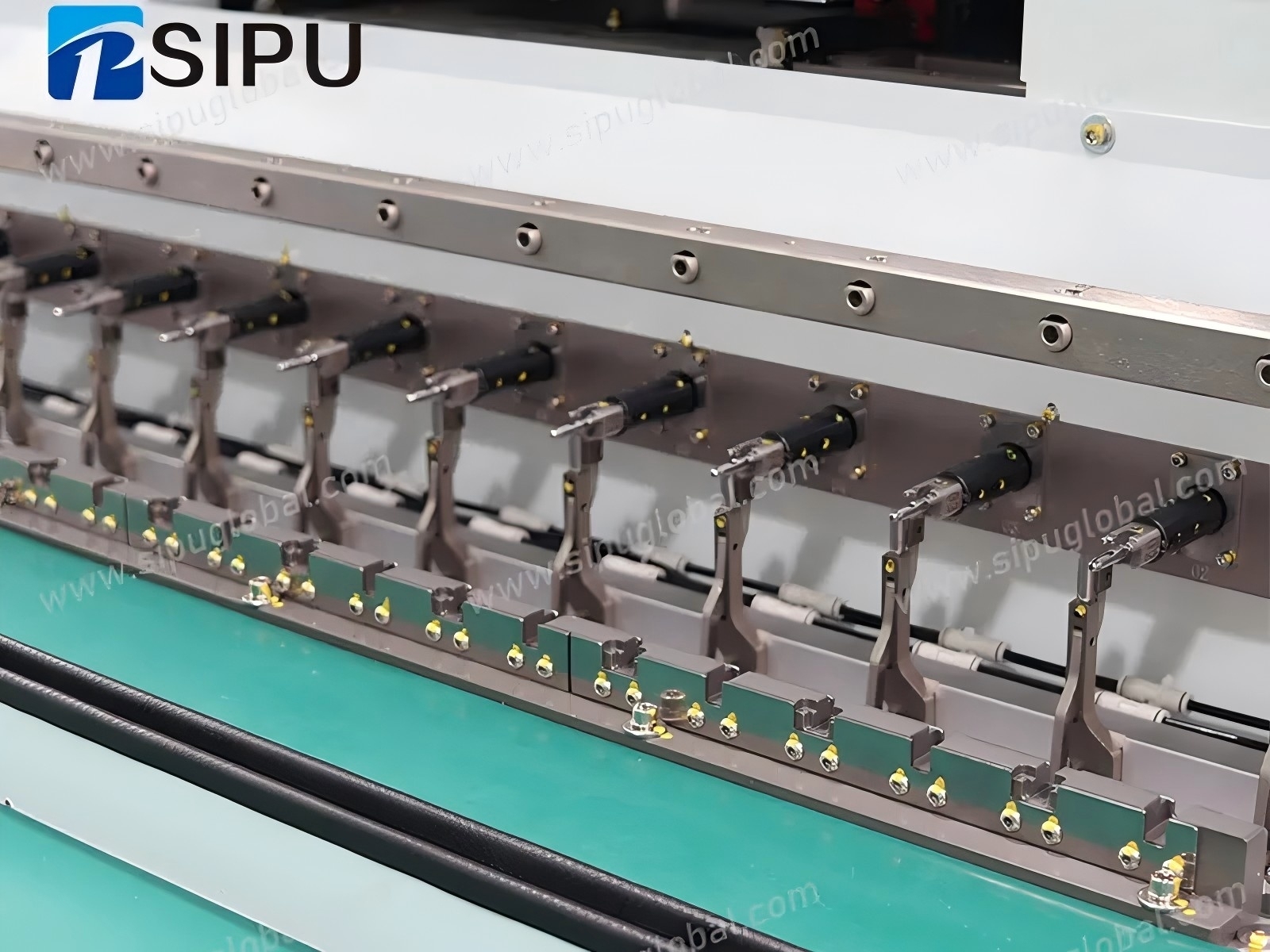
Xiamen Sipu Mechanical has smart ways to fix winding pattern errors. Their machines use smart controls and careful traverse systems. You can trust them to help you make fewer mistakes and better coils.
If you do these things, you will have fewer pattern errors and better results from your Coil Winding Machines.
6. Loose Coils
Loose coils can make big problems in your winding work. You might see coils that shake, move, or lose their shape. These problems can hurt the insulation and cause short circuits. Coils may also stop working too soon. If you know why coils get loose, you can stop mistakes and make better coils.
Why Coils Are Loose
There are two main reasons coils get loose. You should watch for both when you set up and run the machine.
Poor Tension Control
You need to set the right tension for each job. If the tension is wrong, the wire gets slack. This makes the coil loose and not stable. Tension changes how tight the wire wraps the core. Bad settings make the coil uneven and weak.
Bad tension makes slack wire and loose coils.
Tension sets how tight coils are; wrong settings make them unstable.
Operator Error
People can also make coils loose by mistake. If you put in wrong numbers or skip steps, coils will not stay in shape. You might forget to check tension or use the wrong data. These mistakes can make the coil too hot and break the insulation.
Tip: Always check your setup and numbers before you start the machine.
Workers say many things can make coils loose. Here is a table with the most common reasons:
Solutions for Loose Coils
You can fix loose coils with a few easy steps. These steps help you keep coils strong and save time.
Set Proper Tension
Use tension settings that fit each job. Watch tension as you work to find problems fast. Better tension control systems help keep tension steady all the time.
Use the right tension for every job.
Watch tension as you work to spot problems.
Upgrade to better tension systems for good results.
Review Parameters
Check all your settings before you start the machine. Look at coil turns, slot packing, and insulation. Make sure you use the right data and follow the steps for curing varnish. These checks help you stop loose coils and make coils stronger.
Note: Checking your settings stops mistakes and keeps coil quality the same.
Coil Winding Machines work best when you set tension right and check all settings. You can stop loose coils and keep your work going well.
7. Inaccurate Turn Counts
Inaccurate turn counts can cause major issues in your winding process. If your machine does not count turns correctly, you may end up with coils that do not meet your specifications. This can lead to wasted materials, failed quality checks, and even equipment damage. You need to know why these errors happen and how to fix them quickly.
Causes of Turn Count Errors
Several factors can cause your turn counter to give wrong numbers. You should focus on the most common sources.
Sensor Faults
Sensors track each turn as the wire winds onto the core. If a sensor fails, the machine may skip turns or count extra ones. Dirt, dust, or loose connections can block the sensor’s signal. Sometimes, the sensor itself wears out after many cycles. You might notice the counter jumps or freezes during operation.
Control Panel Issues
The control panel acts as the brain of your machine. If it malfunctions, it can send or receive the wrong signals from the sensors. Software glitches, faulty wiring, or power surges can all cause the panel to miscount turns. You may see error codes or flashing lights on the display.
Tip: Always check both the sensor and the control panel if you notice turn count problems. Fixing one without the other may not solve the issue.
Fixing Turn Count Problems
You can solve most turn count errors by following a step-by-step approach. Use these methods to keep your machine accurate and reliable.
Check Sensors
Start by inspecting the sensors. Clean off any dust or debris. Make sure all wires are tight and undamaged. If you suspect a deeper problem, use a multimeter to test the connections:
Set your multimeter to Ohms.
Disconnect the spindle motor from all power sources.
Test each wire (T1, T2, T3, and ground). An infinite reading means the wire is fine. A zero or continuity reading shows a problem.
If you find an issue, disconnect the motor from the cable and test each part separately.
For open or short windings, test T1 to T2, T2 to T3, and T1 to T3. You should see about 0.8 Ohms. A reading of 0 means a short. A very high or infinite reading means an open circuit.
Make sure connectors are dry. Look for burn marks on motor inserts, which can signal a short.
Reset Panel
If the sensors work, move to the control panel. Restart the software to clear any glitches. Check for loose wires or damaged connectors. If the panel still shows errors, reset it according to the manufacturer’s instructions. Sometimes, you may need to update the software or replace the panel if problems continue.
You can keep your Coil Winding Machines running smoothly by checking sensors and resetting the panel. Accurate turn counts help you produce high-quality coils every time.
8. Overheating Motors

Motor overheating happens a lot in coil winding work. If you do not fix this, your machine can break. Your coils may also turn out bad. You can stop most overheating if you know what causes it and follow easy steps.
Why Motors Overheat
You might see your motor get hot after working for a long time. Many things can make motors overheat:
Too much power or running the motor too hard.
Low resistance in windings makes insulation weak.
Dust and dirt block air and stop cooling.
Starting and stopping too much keeps the motor hot.
Loose mounts or uneven floors make the motor shake and heat up.
Tip: Look at your motor every week for dust, loose parts, or wear. Fixing small problems early stops bigger ones later.
Continuous Use
If you run your motor for many hours without stopping, it gets very hot. The heat builds up as the motor works. If you do not let it cool, the temperature goes too high. This can melt insulation and hurt the windings.
Poor Ventilation
Motors need air to stay cool. If your machine is in a tight spot or dust piles up, air cannot move. The heat stays around the motor and makes it overheat. Always keep vents open and check for things blocking the air.
Here is a table that shows the highest safe winding temperatures for each insulation class:

These numbers are for rooms no hotter than 40°C (104°F). If your factory is warmer, you may need special motors.
Preventing Overheating
You can keep your motor cool and safe by doing these things:
Schedule Breaks
Plan short stops during long work times. This lets the motor cool down. You can use timers or smart tools to remind you to pause. Taking breaks helps your motor last longer and stops it from breaking.
Improve Airflow
Keep the space around your motor clean and open. Take away dust and dirt from vents and fans. Make sure nothing blocks the air. You can add more fans or cooling if your room is hot. Good airflow keeps your motor safe and your Coil Winding Machines working well.
Note: It is easier to stop overheating than to fix a burned motor. Checking often and using good habits helps a lot.
9. Control Panel Errors in Coil Winding Machines

Control panel errors can stop your work and make things unsafe. The control panel controls all parts of your machine. If there are errors, the machine might stop working. You could get bad coils or even have safety problems for workers. Checking the machine often helps you find problems early. You should look for loose wires and test sensors a lot. Teaching workers how to use the machine also helps stop mistakes and keeps everyone safe.
Common Panel Issues
There are two main types of control panel errors you might see.
Software Glitches
Software glitches can make the machine freeze or not count turns right. Sometimes, the machine will not listen to your commands. You might see error codes or flashing lights on the screen. The machine may stop winding without warning. These glitches can happen if the software is old, there is a power surge, or you turn off the machine the wrong way.
Faulty Sensors
Sensors send signals to the control panel. If a sensor does not work, the panel gets wrong information. You might see wrong turn counts, tension problems, or winding mistakes. Sensors can break from dust, old age, or loose wires. You need to check sensors often to stop these problems.
Tip: Always check sensors and software before you start a new job. Early checks help you avoid bigger problems later.
Fixing Panel Errors
You can fix most control panel errors by following simple steps. This keeps your machine safe and working well.
Restart Software
Restarting the software can fix many glitches. Here is what you should do: Turn off the machine and wait a few seconds. Turn the control panel back on and look for error messages. Update the software if you need to. Try a simple winding job to see if the machine works right.
Replace Sensors
If restarting does not help, check the sensors. Look at each sensor for dust, damage, or loose wires. Clean or tighten the wires if needed. Change any sensor that does not work. Test the machine after you change sensors to make sure it works.
You should always use a checklist when fixing control panel errors: First, make sure you follow all safety rules. Next, look for broken or loose parts. Check if the power is working. Test each part to see if it works. Check the PLC and control system for errors. Try to find out why the error happened. Write down what you did and what you found.
You can also do these things: Do a 12-point check with your eyes. Check the voltage in different places. Use a thermal camera to find hot spots. Look at the PLC lights. Write down everything you do and find.
Note: Using a checklist helps you fix problems faster and keeps your Coil Winding Machines safe.
If you fix these nine common problems, your Coil Winding Machine works better and makes good coils. Doing regular checks and taking care of the machine stops big problems and saves money. You will notice these good changes:
Try these fixes, tell others what works, and keep your Coil Winding Machine working its best!
FAQ
What is a Coil Winding Machine?
A Coil Winding Machine wraps wire around a core. This makes coils for motors, transformers, or inductors. You use it to make coils that are the same and good quality. It also works fast.
How often should you maintain your Coil Winding Machine?
You should look at your Coil Winding Machine every day. Check for dust and loose parts. Do a full check once a month. Taking care of the machine stops it from breaking. It also helps you make better coils.
Why does wire break in a Coil Winding Machine?
Wire can break if the tension is too strong. Worn guides or bad wire also cause breaks. You can fix this by changing the tension. Clean the guides and use good wire.
How can you prevent overheating in your Coil Winding Machine?
You can stop overheating by giving the machine breaks. Make sure air can move around it. Clean the vents often. Good airflow keeps your Coil Winding Machine safe and working well.
What causes inaccurate turn counts in a Coil Winding Machine?
Bad sensors or control panel problems can mess up turn counts. You should check the sensors and clean the wires. Reset the control panel to fix this problem.
Can you use different wire types in a Coil Winding Machine?
You can use other wire types if your Coil Winding Machine allows it. Always look at the machine’s rules. Change the tension for each wire type.
How do you fix loose coils in a Coil Winding Machine?
Set the right tension and check the winding settings. Look at coil turns, slot packing, and insulation. These steps help your coils stay tight and strong.
What safety steps should you follow with a Coil Winding Machine?
Always do what the maker says. Check for loose wires and wear safety gear. Keep your work area clean. These steps keep you and your Coil Winding Machine safe.