


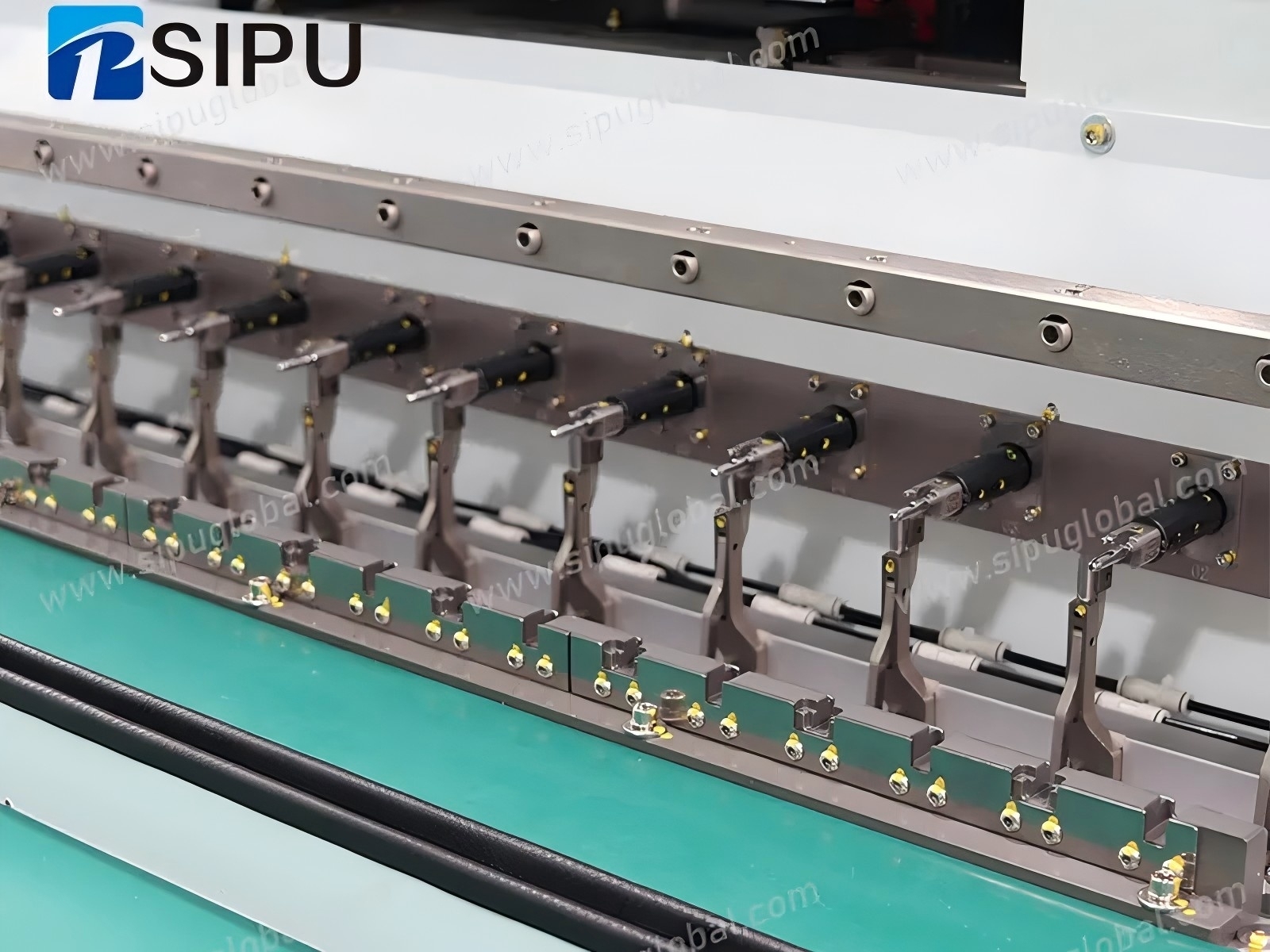
How to Select the Best Coil Winding Machine Manufacturer
2026-05-15 10:30How to choose a reliable manufacturer?
In the competitive world of coil manufacturing—whether for transformers, relays, motors, or inductors—production efficiency and product quality are non-negotiable. Choosing the right automatic winding equipment is one of the most critical investments a factory can make. However, many procurement managers and business owners fall into the trap of prioritizing low prices over technical compatibility, leading to costly mistakes like poor soldering, broken wires, and frequent machine downtime.
A high-quality winding machine is not just about the hardware; it is about the synergy between the machine, the tooling, and your specific product requirements. At SIPU Mechanical, with over a decade of experience serving global coil manufacturers, we have seen countless projects fail due to improper selection.
This guide outlines the 7 essential factors you must verify before purchasing winding equipment to ensure high precision, stability, and long-term profitability.
1. Know Your Product: The Foundation of Selection
Before contacting any supplier, you must have a clear understanding of your own product specifications. Winding machines are highly customized industrial tools, not "one-size-fits-all" commodities. Buying a machine without clear parameters is a recipe for disaster.
You need to define the following clearly:
• Wire Specifications: What is the wire diameter range? Are you working with ultra-fine wire (e.g., 0.08mm),
standard enameled copper wire, or heavy-gauge wire (up to 3.5mm)? Is it flat wire or round wire?
• Coil Geometry: Is it a toroidal coil, a transformer bobbin, a motor stator/rotor, or a relay coil?
• Precision Requirements: What are your tolerance standards for concentricity and wire arrangement? Do you require specific stripping lengths or cutting angles?
• Application Standards: Is the coil for automotive electronics, medical devices, or consumer appliances? Different industries have vastly different safety and quality standards.
The Importance of Drawings
Always provide a detailed engineering drawing (DWG,PDF,STP) to the manufacturer. This should include wire diameter, number of turns, winding direction, bobbin dimensions, and tolerance levels. Without a drawing, a manufacturer can only give a vague estimate, and the resulting machine will likely fail to meet your production needs. Even for new R&D projects, you must have a clear technical roadmap to share with the equipment supplier.
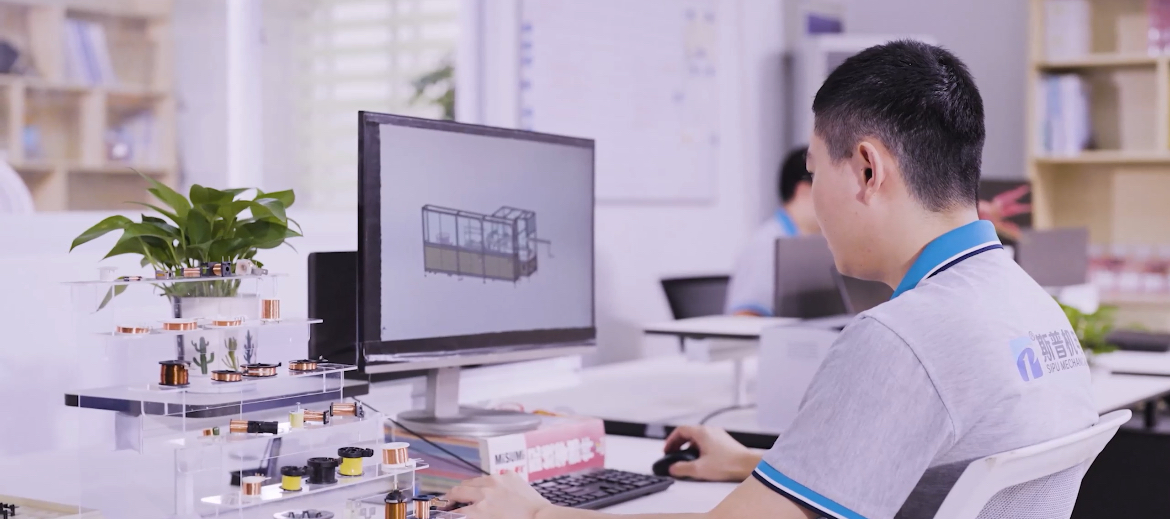
2. Manufacturer vs. Trader: Verifying the Source
The winding equipment market is flooded with trading companies and small assembly workshops that resell machines without understanding the core technology. These entities often lack R&D capabilities, in-house manufacturing facilities, and genuine after-sales support.
How to Identify a True Manufacturer
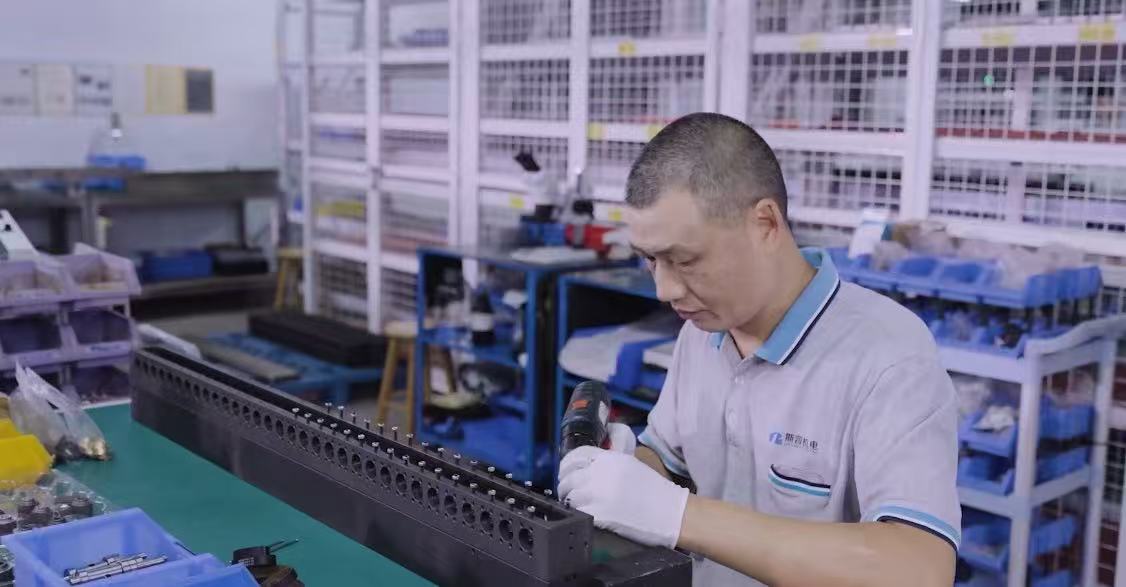
• In-House Production: Does the supplier own independent CNC machining centers? At SIPU, we independently process all core precision parts including spindles, fixtures and pneumatic cutting blades in-house. Standard auxiliary and standard components are sourced from qualified long-term cooperative suppliers. This combination ensures ultra-stable tolerance control, consistent quality and efficient delivery for every machine. Beyond winding machines, SIPU also specializes in related automation equipment, including pin insertion machines, terminal insertion machines, soldering machines, and taping machines, providing one-stop automation solutions for coil manufacturing.
• Technical Team: Can they communicate professionally about your coil winding craft? A reliable professional manufacturer will focus on your tension parameters, wire specifications and process requirements, rather than only talking about prices.
• Facility Audit: You can request a video factory tour or on-site inspection. Check their precision grinding workshops, complete assembly lines and professional quality control testing laboratories.
Avoid suppliers who only assemble externally purchased whole parts. Their machines look identical in appearance, but differ greatly in running stability, service life and long-term production performance.
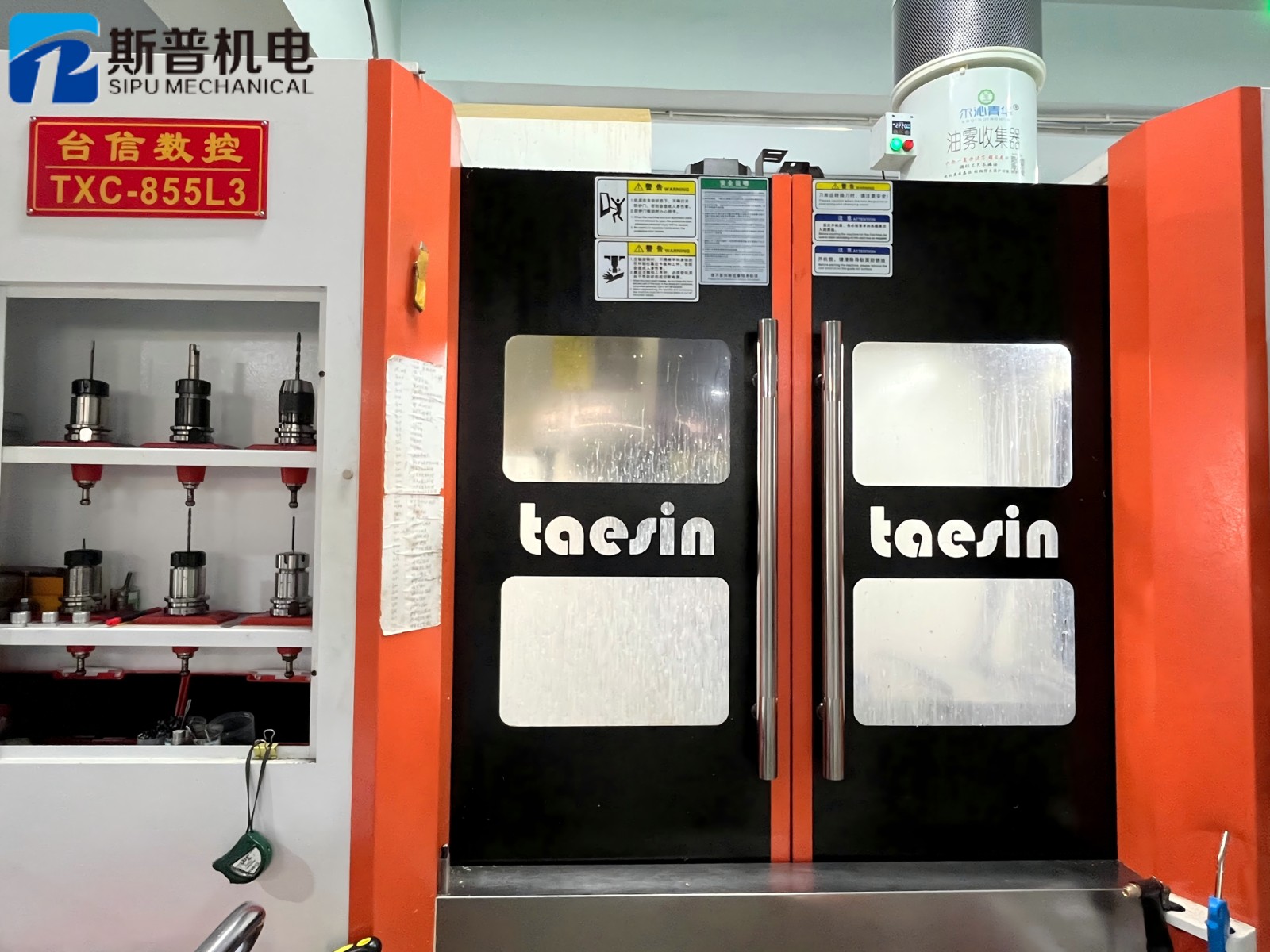
Injection Molding Machine
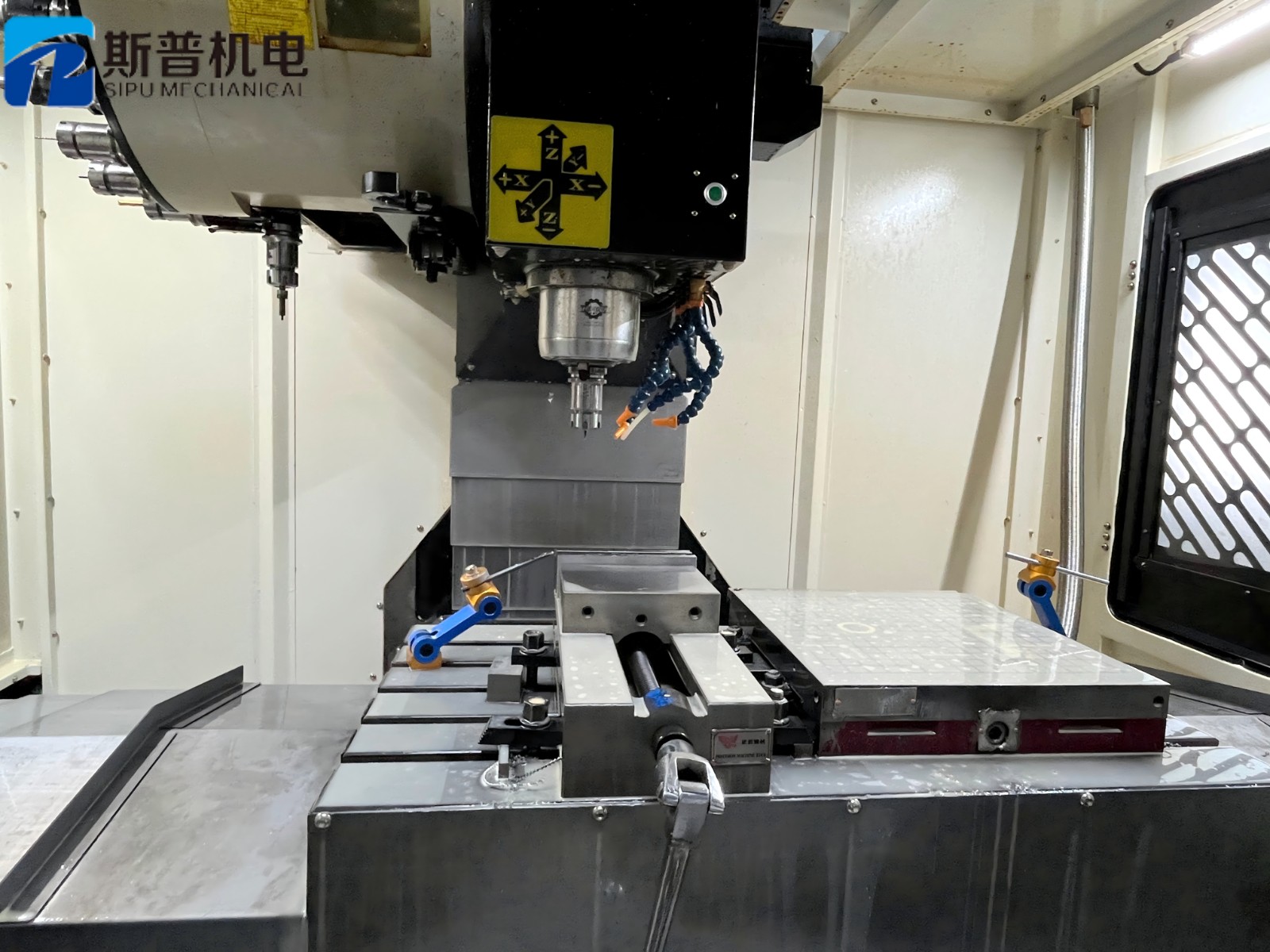
Injection Machine Internals
3. Core Technical Parameters: Precision and Stability
When evaluating a machine, look beyond the marketing brochures and focus on the hard technical data. The "heart" of a winding machine is its spindle and tension control system.
• Spindle Concentricity: This is critical for high-speed winding. A high-precision spindle should have a runout tolerance of ±0.005mm or better. Poor concentricity leads to vibration, wire breakage, and uneven wire arrangement.
• Tension Control: Consistent tension is vital for coil quality. The machine should feature a closed-loop tension control system that adapts to speed changes, ensuring the wire is neither too loose nor stretched.
• Tooling Compatibility: The machine must be compatible with high-performance tooling. For example, using high-quality Tungsten Steel Pneumatic Air Nippers and Diamond Stripper Heads is essential for clean cuts and burr-free stripping. A machine is only as good as the tools attached to it.
Comparison: Standard vs. SIPU Precision
| Feature | Standard Assembly Machine (Market Average) | SIPU High-Precision Machine |
| Spindle Runout | ±0.02mm (Vibration at high speed) | ±0.01mm (Stable up to 15,000 RPM) |
| Wire Arrangement | Uneven gaps, risk of collapse | Precision servo control, neat layering |
| Blade Compatibility | Standard steel (Burrs common) | Tungsten Steel / Diamond (Zero Burrs) |
| Lifespan | 3-5 Years | 5-8 Years |
| Yield Rate | ~95% (Higher waste) | >97% (High Efficiency) |
4. Customization Capabilities for Future Growth
The coil industry evolves rapidly, especially with the rise of new energy vehicles and smart electronics. A standard machine might work for your current product, but will it handle your next innovation?
You need a partner who offers full customization:
• Non-Standard Structures: Can they modify the machine frame to fit a specific bobbin or stator?
• Specialized Tooling: Do they have the ability to design custom fixtures, needle types, or specialized blades for flat wire or rectangular wire?
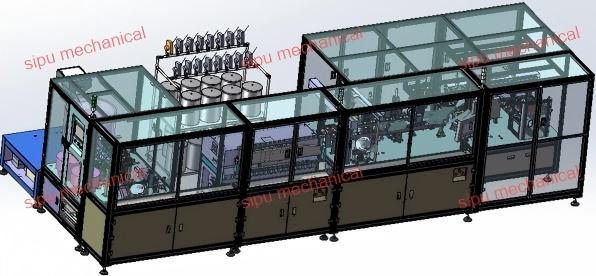
• Process Integration: Can the machine integrate automatic wire feeding, twisting, or taping? Beyond winding machines, SIPU also provides customized pin insertion, terminal insertion, soldering, and taping equipment, seamlessly integrating with winding lines to form a complete assembly line.
SIPU Mechanical excels in this area. We don't just sell machines; we provide solutions. Whether you need a custom fixture for a complex inductor, a specialized stripping mechanism, or a full set of automation equipment (winding + pin insertion + soldering + taping), our engineering team can design and manufacture it in-house.
5. The Ecosystem: Tooling and Spare Parts
A winding machine does not work in isolation. It relies on a system of consumables and accessories: core shafts, guides, tensioners, and cutting blades. This ecosystem also extends to related equipment—SIPU provides matching spare parts for pin insertion machines, terminal insertion machines, soldering machines, and taping machines, ensuring consistent operation of the entire production line.
Many suppliers sell the machine but neglect the ecosystem. If you cannot easily source high-quality Pneumatic Air Nippers or Enamel Wire Stripper Heads that fit your machine, your production will suffer.
Why In-House Tooling Matters
Because SIPU manufactures its own tooling, we ensure perfect compatibility. Our Tungsten Carbide Blades are ground to match our machines precisely, ensuring zero burrs and extending the life of the equipment. When you buy from us, you get a complete, integrated system—from winding machines to pin insertion, soldering, and taping equipment, plus all matching spare parts—not a collection of mismatched parts.
6. After-Sales Service and Technical Support
Industrial equipment requires maintenance, debugging, and occasional repairs. A low price is meaningless if the supplier disappears after the sale. This is especially critical for integrated assembly lines involving multiple machines (winding, pin insertion, soldering, taping), where coordinated technical support is essential.
What to Expect from a Reliable Supplier
• Remote & On-Site Support: Do they offer video debugging or on-site installation? SIPU provides on-site installation and debugging for integrated assembly lines, ensuring smooth operation.
• Spare Parts Availability: Can they ship replacement parts quickly? We keep a large inventory of spare parts for all our equipment, including winding machines, pin insertion machines, and soldering machines.
• Lifetime Training: Do they provide ongoing technical consultation for new coil designs? We offer free training for all equipment operators, covering operation, maintenance, and troubleshooting.
We view our relationship with clients as a long-term partnership. We provide comprehensive training, detailed maintenance manuals, and lifetime technical support to ensure your production line never stops.
7. Total Cost of Ownership: Quality Over Price
Finally, stop looking at the purchase price and start calculating the Total Cost of Ownership (TCO).
A cheap machine often has hidden costs:
• High Defect Rate: Poor precision leads to wasted materials.
• Frequent Downtime: Breakdowns stop your production lines.
• Short Lifespan: Cheap steel and poor assembly mean the machine might need replacing in 2-3 years.
In contrast, a high-quality SIPU machine is built for durability. With proper maintenance, our machines—including winding machines, pin insertion machines, and soldering machines—can operate efficiently for over 10 years. When you factor in the high yield, low maintenance, and consistent production speed, the "expensive" machine is actually the most cost-effective investment in the long run.
FAQ
Q1: Can your machines process ultra-fine wire below 0.1mm?
A1: Yes. Our high-precision tension systems fully support ultra-fine enameled wire, matched with dedicated diamond stripping tools to protect delicate wire cores.
Q2: Do you supply matching machine spare parts?
A2: Yes. We independently produce pneumatic nippers, tungsten steel blades and full-range consumables, fully compatible with our winding, pin insertion, soldering and taping machines.
Q3: How to choose between 19-series & 24-series stripper heads?
A3: 24-series for short 1.5mm precision stripping, 19-series for longer 5mm wire stripping. Our engineers will recommend the best model per your product drawings.
Q4: Do you provide warranty & after-sales technical support?
A4: All core machine parts enjoy official warranty. We also offer lifelong remote video support for parameter debugging, equipment maintenance and operator training.
Conclusion
Choosing ideal coil winding equipment relies on technical matching, factory strength and long-term stability, not low purchase prices. Integrated full-process automation solutions greatly upgrade your overall production efficiency.
SIPU Mechanical relies on in-house precision machining, independent tooling R&D and rich industry experience, to deliver stable high-precision coil automation equipment for global customers.
Contact us now to customize your exclusive coil production solutions.