


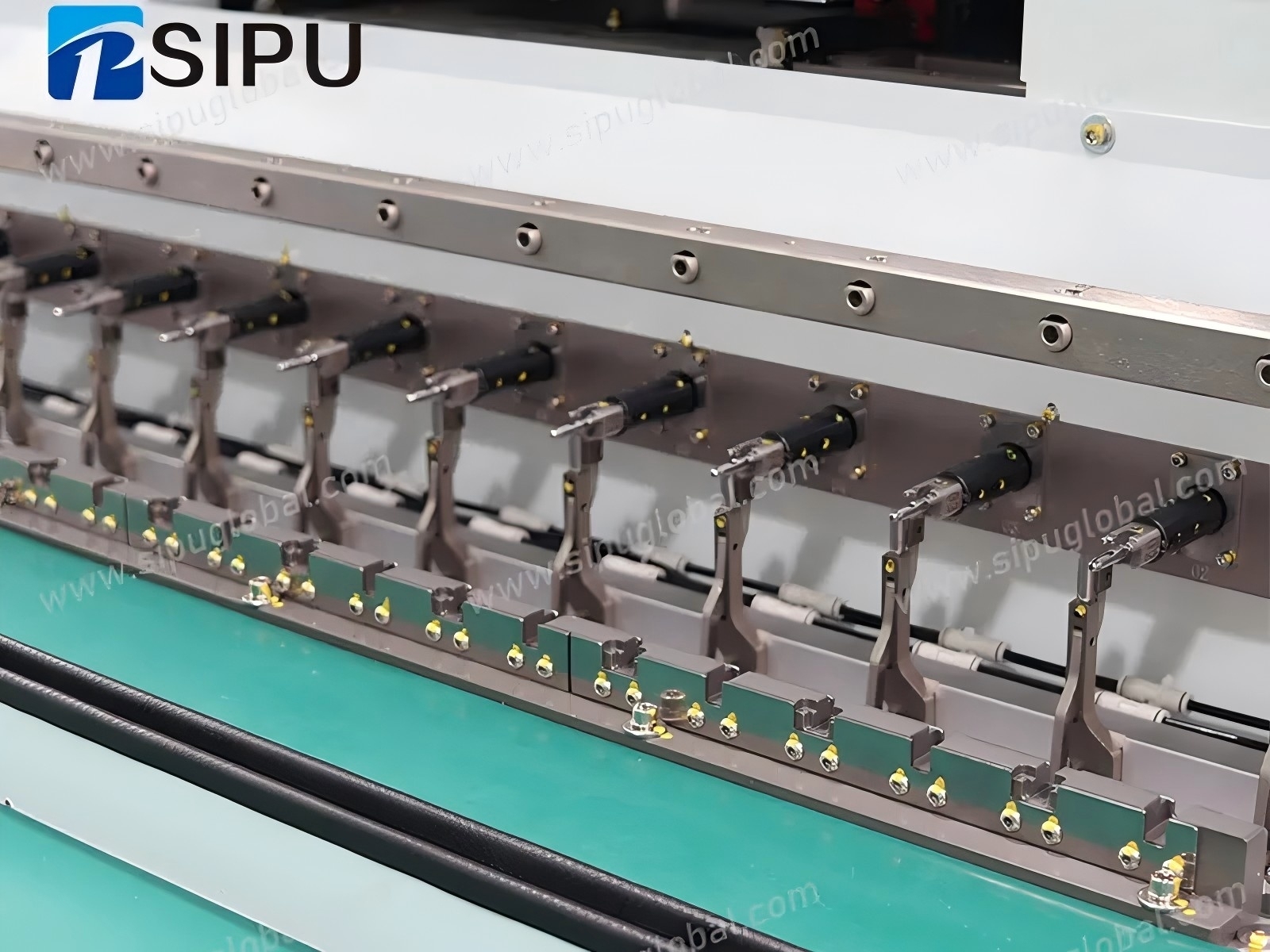
Coil vs. Winding: What is the Difference?
2025-11-30 10:09In the world of electrical engineering and manufacturing, the terms "coil" and "winding" are often used interchangeably. However, for engineers and technicians, the distinction is critical. While a coil is a physical component, a winding is a functional assembly designed to manage energy.
Understanding this difference is essential for designing efficient motors, transformers, and choosing the right manufacturing equipment.
Key Takeaways
Structure: A coil is a single loop or series of loops. A winding is an organized assembly of multiple coils. Function: Coils primarily create magnetic fields or store energy (inductance). Windings facilitate energy transfer and conversion in complex machinery. Connection: Windings can be configured in series or parallel to dictate voltage and torque; coils are the building blocks of these configurations. Manufacturing: Precision is key. Increasing the number of turns in a coil strengthens its magnetic field, requiring advanced coil winding machines for accuracy.
1. What is a Coil?
Definition: The Building Block
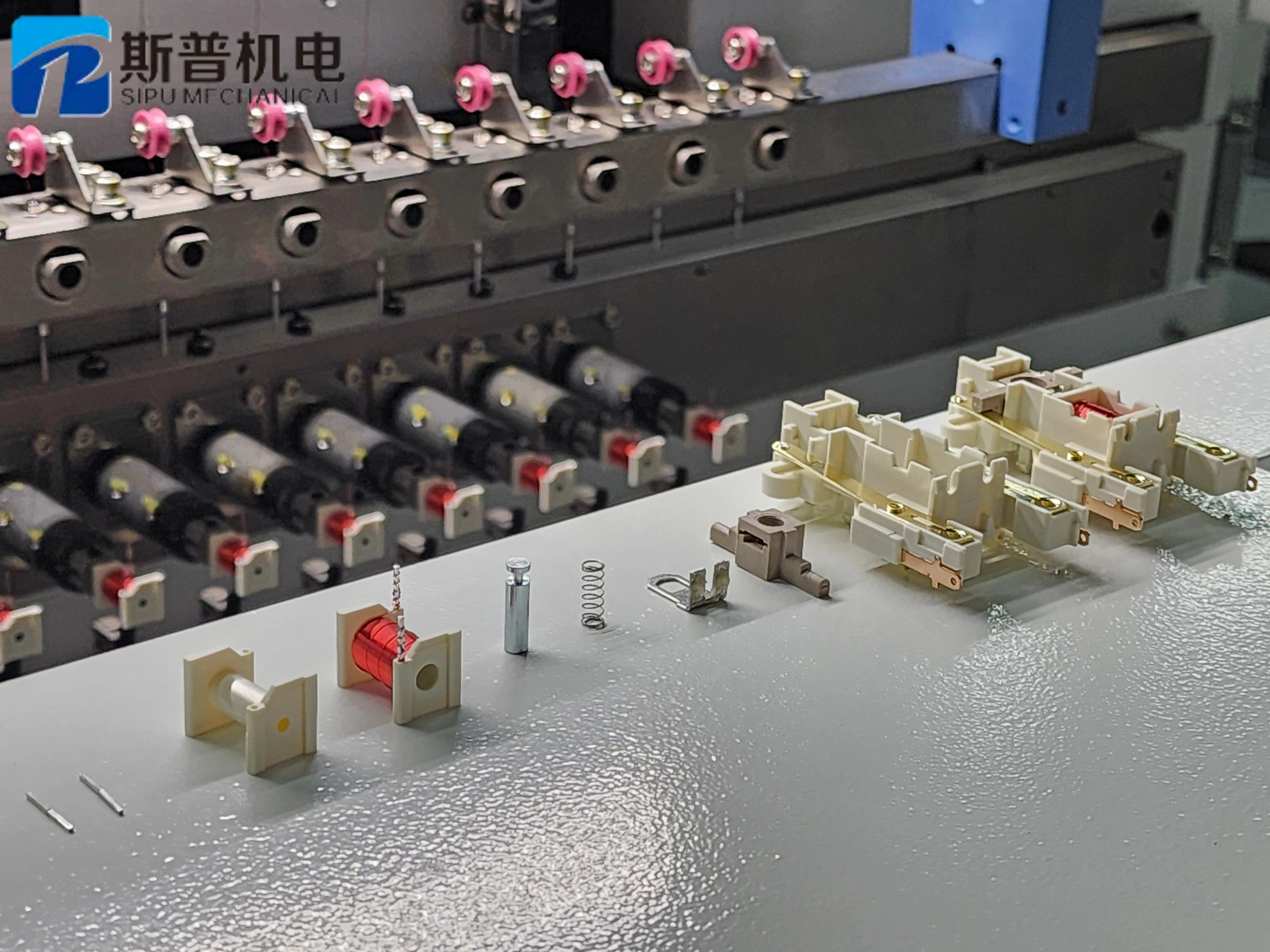
Physical Form: A coil can be a single loop or consist of thousands of turns. Core Material: Coils are often wound around a magnetic core (iron or ferrite) to concentrate magnetic flux, though "air-core" coils exist for high-frequency applications. Wire Type: The wire is typically insulated (enameled wire) to prevent short circuits between turns. Engineering Tip: The strength of a coil's magnetic field is directly proportional to the number of turns (N) and the current (I) flowing through it. High-precision manufacturing is required to maximize the "fill factor" (how tightly wire fits in a space).
Features
Magnetic Field Generation: When current flows through the wire, it generates a magnetic field. This is the fundamental principle behind electromagnets and solenoids. Inductance (Energy Storage): Coils store energy in their magnetic field. This property, known as inductance, allows them to resist changes in current flow, making them vital for filtering in electronics.
2. What is a Winding?
Definition: The Functional Assembly
Structure & Configurations
Application in Machinery
Transformers: Contains a Primary Winding (input) and a Secondary Winding (output). Motors: Features Stator Windings (stationary) and Rotor/Armature Windings (rotating). Generators: Converts mechanical energy into electrical energy through rotating windings cutting magnetic lines. Manufacturing Insight: Producing high-efficiency windings requires sophisticated automation. Automatic coil winding machines (such as high-speed solutions from Xiamen Sipu Mechanical) are essential for precise layering, ensuring that the coils fit perfectly into stator slots without damaging the insulation. 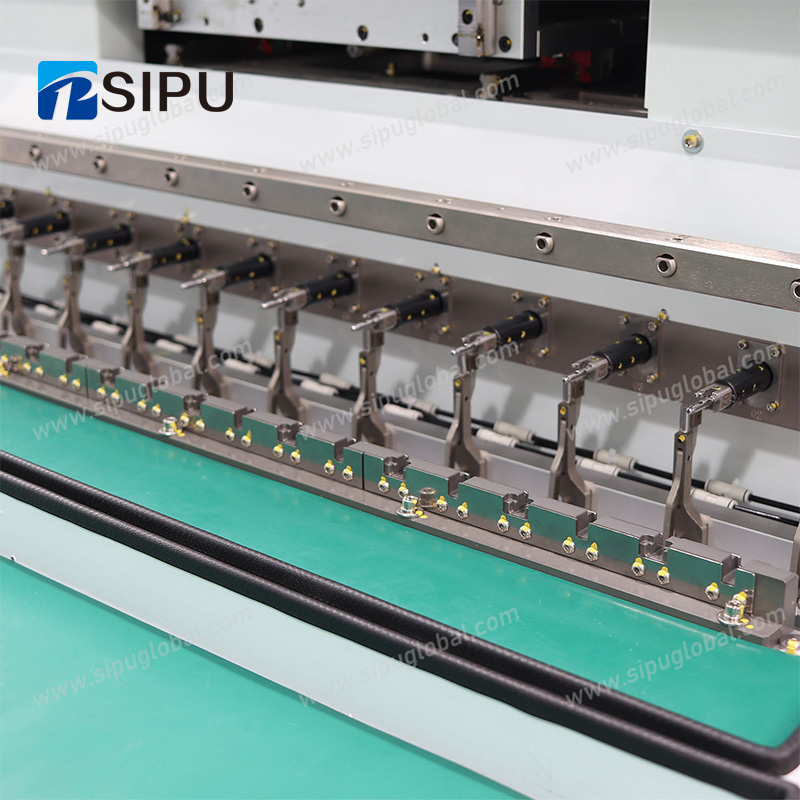
3. The Core Differences: Coil vs. Winding
To put it simply: All windings are made of coils, but not all coils are windings. Here is a breakdown of the technical distinctions:
Why does this matter?
4. Interchangeability: Can You Use the Words Interchangeably?
In Casual Contexts: Yes
In Professional Engineering: No
Ordering a "coil" might get you a simple spool of wound wire. Ordering a "winding service" implies a complex process involving core insertion, phase insulation, and lead termination.
5. Industrial Examples
Coil Applications
Medical: Gradient coils in MRI machines. Automotive: Solenoid coils for fuel injectors. Consumer Electronics: Wireless charging coils (phones/watches).
Winding Applications
Power Grid: High-voltage windings in distribution transformers. EV Motors: Hairpin windings in electric vehicle traction motors (designed for maximum density). Appliances: The stator winding inside your washing machine or refrigerator compressor.
FAQ